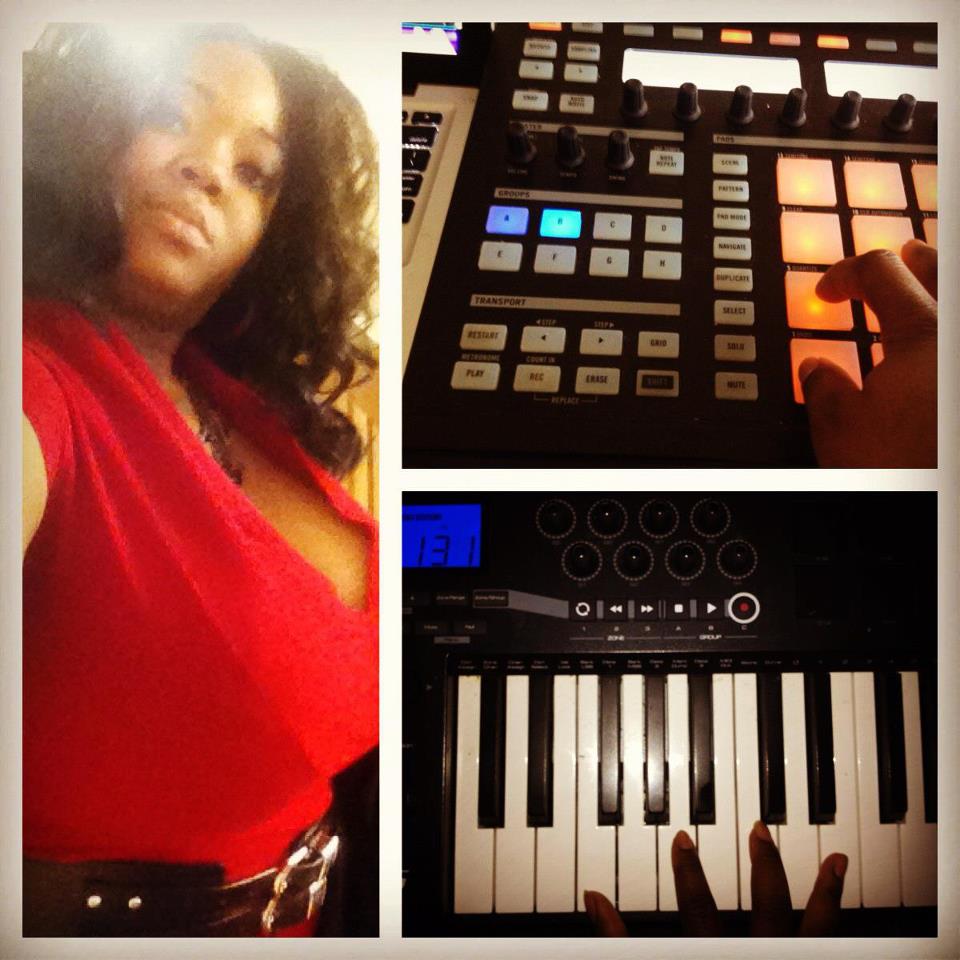

Achickwitbeatz presents the Instrumental Intel podcast, bringing you information instrumental to your artistic career including music industry news & tips, insights & interviews, and beats for your inspiration. Listen on Saturdays at 7 pm EST on Grander Radio and Achickwitbeatz.com.
Follow on Facebook, Instagram, Twitter, YouTube Audiomack & SoundCloud, and subscribe on your favorite podcast platform. Download the Grander Media app to listen to Grander Radio on the go.


- Art
- Independent Labels
- Internet Radio
- Music Documentaries
- Album Reviews
- Music History
- Music Industry News
- Free Game Friday
- Free Downloads
- Poetry
- Books
- Interviews
- Did You See It?!
- Hip Hop History
- Hear Here
- Music News
- Hip Hop Documentaries
- Music Marvels Radio Show
- Think Piece Thursday
- Mini Documentaries
- Instrumental Intel
- Music Humor
- Indie Analysis
- Conversations & Quotables
- Music
- Resources for Artists
- Podcasts
- Beats/Instrumentals
- Music Education
00:01
Hey, thank you so much for tuning in to Instrumental Intel. I'm your host, music producer, Achickwitbeatz, and I'm glad that you're here with me. I am going to be concluding the Year-End Creative Strategy Sessions, and this week's focus is Strengthening Your Creative Vision and Artistic Brand Identity. So I'm excited to be bringing this episode to you. Of course, it's got music industry news and beats by me for your inspiration.
00:25
And before I go ahead and drop that first beat, I gotta give a shout out to my home station, Grander Radio out of Grand Rapids, Michigan. And with that, let's go!
[BEAT BREAK]
12:23
Hey, this is music producer Achickwitbeatz, and you're listening to my podcast Instrumental Intel.
[BEAT BREAK]
15:50
Alright, music producer Achickwitbeatz, back with the Music Biz Brief. First up, a pirate activist group claims it scraped a large portion of Spotify's music data, including metadata linked to hundreds of millions of tracks and access to tens of millions of audio files. Spotify confirmed that the public metadata was scraped and says illicit methods were used to bypass DRM to access some audio, adding that the company is actively investigating.
16:17
Reports indicate that only metadata has been released so far, not the music itself. The group says the project is about preserving music, but the incident raises some serious concerns about copyright, security, and the vulnerability of major streaming platforms' catalogs. Next, Bandcamp says fans spent more than $19 million directly with artists and labels during Bandcamp Fridays in 2025, topping last year's total and reinforcing how much listener support still matters on the platform.
16:46
The most recent Bandcamp Friday was the biggest of the year, generating over $3.8 million in a single day, a big result for an initiative that's been running since 2020. Alongside the numbers, Bandcamp also shared its best albums of 2025 for listeners looking to dig a little deeper. Also, Universal Music Group and Splice are teaming up on new AI music tools, with both companies framing the deal as artist-first instead of automation-driven.
17:12
Many specifics haven't been shared yet, but the focus is on high-quality tools that help musicians shape and manipulate sound, not type prompts and get finished songs back. Splice has already been building AI features around transforming samples and has been vocal about keeping creators in control and properly compensated. This deal kinda fits into a wider pattern we've been seeing with major labels trying to get a seat at the table as AI tools are being pushed across the music industry.
17:38
Universal is also expanding its relationship with Roblox in a new deal that focuses on fan engagement and direct-to-artist revenue. One of the biggest changes is merch, so Universal, artists, and labels will be able to sell digital and physical merchandise inside Roblox using Shopify. That matters as direct-to-fan sales continue to increase across the industry, especially for physical formats like vinyl. Roblox, despite its flawed child safety procedures,
18:04
now reaches more than 150 million daily users and has become a serious space for music discovery and fan interaction. Universal says more artist-led experiences are coming to the platform in the months ahead. Alright, and finally, music copyright hit $47.2 billion worldwide in 2024, which was up 5% from the year before. Labels saw $29 billion, songwriters $13.6 billion, while publisher revenue slightly dipped.
18:32
After the pandemic year, growth is leveling out, but the overall value has almost doubled over the last decade. Independent publishers are also holding strong with $2.9 billion in revenue and a 26 % market share, showing they're a real force in the business. Alright, that's a wrap for the music biz brief. I'm gonna get back to the beats, and then I'll be back with week 4 of Year-End Creative Strategy Sessions, Strengthening Your Creative Vision and Artistic Brand Identity. Keep it locked!
19:00
Hey, I'm Achickwitbeatz, multi-genre music producer and strategist to indie artists and labels. Visit achickwitbeatz.com for resources for artists and instrumentals in various genres available for songs, vlogs, blogs, podcasts, themes, TV, film, commercials, and more. Once again, that's achickwitbeatz.com. That's A-C-H-I-C-K-W-I-T-B-E-A-T-Z.com.
19:27
Let's make something happen.
[BEAT BREAK]
30:23
Hey, this is music producer Achickwitbeatz, and you're listening to my podcast Instrumental Intel.
[BEAT BREAK]
38:16
Alright, I'm music producer Achickwitbeatz, and I'm back with week 4 of the Year-End Creative Strategy Sessions. This week’s focus is Strengthening Your Creative Vision and Artistic Brand Identity. So, basically, getting clearer on who you are creatively and how that identity is communicated across your music, visuals, and messaging. Some artists can find this challenging. Things can kinda start to feel disconnected, maybe the music sounds one way,
38:42
the visuals say something else, and the messaging changes depending on the platform or the moment. So the purpose of today's session is to reduce that friction by helping you define a clear, creative vision and translate that into a consistent artistic brand identity that supports your work instead of making it more complicated. So first up, why does creative vision and branding get blurred? One reason is that branding often gets treated like aesthetics instead of strategy.
39:09
Fonts, colors, cover arts, social layouts, and all that stuff matters, but they're the output, not the foundation. Another reason is trend chasing. It's easy to borrow visual styles, sounds or language that's kind of hot right now without asking yourself if they really reflect who you are creatively. So after a while, that kind of creates confusion for both you and your audience. Your creative vision should be based on your intent, so you need to ask yourself questions like, what kind of work am I trying to make?
39:37
What does this project represent? What emotional or cultural space does it live in? So brand identity is basically how that vision shows up consistently to the world. So once you align those things, your marketing gets easier, it feels more intentional, and your audience will have a clearer understanding of who you are and what you stand for. So if you notice, there's been a common theme in these sessions. Like before you define anything new, it always helps you to review what you've already put out this year. So when you're looking at your music,
40:05
consider if there was consistency in your sound, genre, or production approach. Are there recurring elements that show up even when you experiment? Then, when looking at your visuals, you want to consider your album artwork, singles, videos, press photos, and social imagery. Do they feel connected, or do they feel like separate ideas? After that, when you're reviewing your messaging, you want to consider your captions, bios, press language, and interviews.
40:32
Are you describing your work in a similar way each time, or does the language shift a lot? Then, finally, consider audience perception. Not opinions about quality, but patterns in how people describe your work or what they respond to. So recognizing patterns can tell you more about your creative identity than any specific release would. All right, and then once you see these patterns, you can define your core creative vision. So this doesn't have to be poetic or anything that the public sees, just that it's clear enough for you to use as a foundation.
41:02
So you'll start with your musical direction. What lanes do you consistently return to? What feels natural for you versus what feels forced? Then think about emotions, tones, and themes. Like is your work introspective? Is it confrontational, celebratory, reflective? And you know, think about what kind of emotional space it tends to occupy. You'll also want to consider cultural or artistic references. So not name drops, but context. So what traditions, movements, or aesthetics influence how you create?
41:32
Then you'll want to identify what makes your work distinct. So not better or not just more unique, but what makes it actually different. So yeah, what kind of combination of elements feel like it only works when you put them together? So this will give you a working definition. It's not a permanent label, but creative vision should evolve; but it has to have a starting point to evolve from. Alright, then once your vision is clear, solidifying your brand identity will get easier.
41:57
Your visuals, language, and storytelling should all be rooted in that vision. Your artwork should feel like it belongs to the music. Your social content should reinforce the world that you created for your music to live in. Also, your stage presence and performance choices should support the same narrative. Because basically, when those elements don't align, your audience can get mixed signals. And mixed signals typically don't make people curious, but instead make them unsure, and it kind of prompts them to scroll on.
42:25
So consistency leads to coherence. It makes it easier for them to understand. It doesn't have to be repetitious. You can use different formats, but with the same underlying message. A common concern some artists have is that consistency limits creativity, but in reality, it's the opposite. So structure actually gives you the freedom to experiment within the framework of what you already know works for you. So the biggest problems typically come from when you're doing reactive rebrands. So this is like changing visuals or messaging.
42:53
just because a release underperformed or because something else is trending. You want your evolution to be intentional, not come across as emotional. So knowing your core vision and identity makes it easier to evolve without having to start over every single time. All right, then you're gonna need tools and assets that support your brand clarity. So this is where documentation kind of becomes your best friend. Creating a basic brand reference document can save you time and help reduce decision fatigue.
43:20
Now, decision fatigue is that mental strain you get after you make a high volume of decisions over a period of time, which kind of lowers your ability to make clear, consistent, and intentional choices. So once decision fatigue sets in, you're more likely to delay decisions or avoid them altogether, or default to the easiest or most familiar option, or make impulsive or inconsistent choices – and my personal favorite, second-guess decisions you would normally feel confident about.
43:48
So this is why documentation and clear frameworks matter. It can kinda lower the number of repeated micro decisions you have to make, and you can save mental energy, and it lets you focus on higher-impact creative and strategic work instead of always kinda having to revisit the basics. So that document can include your creative vision, core themes, and visual direction. It can have one with messaging guidelines that kinda clarify how you describe your work, short descriptions, longer bios,
44:16
key language that you use. This is what…taglines, catchphrases, and things of that nature. So, as touched on in previous sessions, setting up visual asset libraries helps maintain consistency across all the platforms that you use. So, you can have a folder with your photos, logos, color references, art variations, and all that good stuff. It's also good to have mood boards and creative briefs can help when you're collaborating with artists, designers, videographers or marketing partners.
44:44
So this way it can be used as an infrastructure to kind of help you move faster and with more confidence. So the action step for you to take this week is to create a one-page creative and brand reference. Make sure it includes three sections: your core creative vision, your visual identity principles, and your messaging and language guidelines. So this document isn't for the public, it's for you. Use it to guide your creative, your marketing, and business decisions going into 2026. And make sure you check out Achickwitbeatz dot
45:14
com, to be able to grab a template to kind of help you get started with that in the Resources for Artists category. So basically, creative clarity simplifies everything when you know who you are creatively, decisions get easier, communication gets cleaner, and your work gets more cohesive over time. A clear vision gives your creativity a foundation that supports your future growth.
45:37
All right, and that wraps up the December Year-End Creative Strategy Sessions. Once again, make sure that if you need any templates to kind of help you get started with this stuff, visit at AChickWitBeatz.com, click on Resources for Artists, and check it out. Alright, I'm going to get back to the beats, and then I'll be back to close out the episode. Keep it locked! Hey, I'm Achickwitbeatz, multi-genre music producer and strategist to indie artists and labels.
46:01
Visit achickwitbeatz.com for resources for artists and instrumentals in various genres available for songs, vlogs, blogs, podcasts, themes, TV, film, commercials, and more. Once again, that's achickwitbeatz.com. That's A-C-H-I-C-K-W-I-T-B-E-A-T-Z.com. Let's make something happen.
[BEAT BREAK]
59:39
Alright, and that's a wrap for this episode of Instrumental Intel. I've been your host, music producer Achickwitbeatz, and once again, I want to thank you for tuning in. I want to thank my home station, Grander Radio out of Grand Rapids, Michigan. And make sure you come back next week. I got more goodness lined up for you, so until next time, know where to find me. Tune in, tell a friend, and I'll see you then. Peace.


![Hear Here: Achickwitbeatz - Dopamine & Serotonin [Single]](https://images.squarespace-cdn.com/content/v1/52b0b90ae4b0293bfed0d692/1710852808557-EZYGFDIBHLBSIRFOVS1Q/Dopamine+%26+Serotonin.JPG)





![Hear Here: Dagga Man- "Analytics" [Prod. by Achickwitbeatz]](https://images.squarespace-cdn.com/content/v1/52b0b90ae4b0293bfed0d692/1584638158548-9R55AZLWZIDFJC8LATV6/IMG_2212.JPG)







![Making Music on a Budget [Infographic]](https://images.squarespace-cdn.com/content/v1/52b0b90ae4b0293bfed0d692/1582844361438-3JTE5NT3EL51FHXC0WJI/making-music-on_1929722%25281%2529.jpg)

A homage to the golden era of 1990s instrumental beat vinyl. Crafted as the perfect partner for freestyling MCs, dancers, and DJ culture. | Visit Achickwitbeatz.com for your instrumental needs & dope stuff for music lovers.