This year’s Public Domain Day 2026 (January 1st ) added to the U.S. public domain for musicians, composers, producers, educators, and independent creators. A group of musical compositions from 1930 and sound recordings from 1925 became free to use, perform, adapt, and build on.
It includes influential works in American pop music and jazz history that still influence harmony, melody, and lyrical structure across genres. George and Ira Gershwin’s I Got Rhythm enters the public domain in its written form, unlocking the source of “rhythm changes,” a foundational harmonic framework in jazz improvisation and composition. It also includes standards like Georgia on My Mind, Dream a Little Dream of Me, Body and Soul, and On the Sunny Side of the Street, all songs that have been reinterpreted for decades across jazz, pop, soul, film, and television. Now, artists can record new versions, adapt lyrics or melodies, interpolate harmonic ideas, and incorporate these works into new creative projects without licensing fees.
It is important to note the difference between compositions and recordings. Though the music and lyrics themselves are now free to use, many later recordings of these songs remain under copyright. A separate group of historically significant sound recordings from 1925 also enters the public domain in 2026, giving direct access to early blues, jazz, and popular music performances.

Photo by Lucas Alexander on Unsplash
Which Musical Compositions from 1930 are Entering the Public Domain in 2026?
Musical compositions from 1930 entering the public domain in 2026 are:
I Got Rhythm
Lyrics by Ira Gershwin, music by George GershwinI’ve Got a Crush on You
Lyrics by Ira Gershwin, music by George GershwinBut Not for Me
Lyrics by Ira Gershwin, music by George GershwinEmbraceable You
Lyrics by Ira Gershwin, music by George Gershwin
Georgia on My Mind
Lyrics by Stuart Gorrell, music by Hoagy CarmichaelDream a Little Dream of Me
Lyrics by Gus Kahn, music by Fabian Andre and Wilbur SchwandtLivin’ in the Sunlight, Lovin’ in the Moonlight
Lyrics by Al Lewis, music by Al ShermanOn the Sunny Side of the Street
Lyrics by Dorothy Fields, music by Jimmy McHughIt Happened in Monterey
Lyrics by Billy Rose, music by Mabel WayneBody and Soul
Lyrics by Edward Heyman, Robert Sour, and Frank Eyton, music by Johnny GreenJust a Gigolo (first English translation)
Original German lyrics by Julius Brammer, English translation by Irving Caesar, music by Leonello CasucciYou’re Driving Me Crazy
Lyrics and music by Walter DonaldsonBeyond the Blue Horizon
Lyrics by Leo Robin, music by Richard A. Whiting and W. Franke HarlingThe Royal Welch Fusiliers
By John Philip Sousa
Photo by Leo Wieling on Unsplash
Which Sound Recordings from 1925 are Entering the Public Domain in 2026?
Sound recordings from 1925 entering the public domain in 2026 are:
Nobody Knows the Trouble I’ve Seen
Recorded by Marian AndersonYes Sir, That’s My Baby
Recorded by Gene AustinSweet Georgia Brown
Recorded by Ben Bernie and His Hotel Roosevelt OrchestraYou’ve Been A Good Old Wagon
Recorded by Bessie SmithThe St. Louis Blues
Recorded by Bessie Smith, featuring Louis ArmstrongFascinating Rhythm
Recorded by the Paul Whiteman OrchestraI’ll See You in My Dreams
Recorded by Isham Jones, with Ray Miller’s OrchestraEverybody Loves My Baby (But My Baby Don’t Love Nobody but Me)
Recorded by Clarence Williams’ Blue FiveIf I Lose, Let Me Lose (Mama Don’t Mind)
Recorded by Louis Armstrong, Fletcher Henderson, and Maggie JonesA Cup of Coffee, A Sandwich and You
Recorded by the Carleton Terrace OrchestraManhattan
Recorded by The Knickerbockers (Ben Selvin and his Orchestra)
Now these compositions and recordings can be freely studied, sampled, reinterpreted, rearranged, and revived by music creators to keep the music of the early 20th century informing and inspiring new work well into the future. Be sure to consult with legal counsel to clarify any confusion and avoid potential issues. Learn more at Duke University School of Law: Public Domain Day 2026.
- Art
- Independent Labels
- Internet Radio
- Music Documentaries
- Album Reviews
- Music History
- Music Industry News
- Free Game Friday
- Free Downloads
- Poetry
- Books
- Interviews
- Did You See It?!
- Hip Hop History
- Hear Here
- Music News
- Hip Hop Documentaries
- Music Marvels Radio Show
- Think Piece Thursday
- Mini Documentaries
- Instrumental Intel
- Music Humor
- Indie Analysis
- Conversations & Quotables
- Music
- Resources for Artists
- Podcasts
- Beats/Instrumentals
- Music Education

From Nylon Trax: Achickwitbeatz returns with “Joke’s On You” — a deep and compelling release that blends raw honesty with hypnotic grooves. Inspired by the idea of denial and pride masking true desire, the track delivers both a message and a mood: you can’t hide from the truth when the rhythm exposes it.
The release features the pulsing Original Mix, a bold statement of Achickwitbeatz’s sonic identity, and a masterfully layered Jaymz Nylon Afro Tech ReShape, which lifts the track into a transcendent dancefloor experience. Together, these cuts remind us that music, like honesty, has the power to cut through façades and reveal what’s real.
Pressed on 12” vinyl and available digitally, “Joke’s On You” is a modern underground essential that refuses to pull its punches. | Visit Achickwitbeatz.com for your instrumental needs & dope stuff for music lovers.

AuditoryYum. A collection of sonically delicious instrumentals to feed your ears. Available on (most) major platforms. | Visit Achickwitbeatz.com for your instrumental needs & dope stuff for music lovers.

A story of love and frustration, and the sometimes humorous reality of wanting to turn love into something easier to handle—like anger—but not quite being able to. It's an anthem for anyone who’s ever found themselves in a complicated relationship that’s cyclically infuriating and irresistible.
Produced, written, and performed by Achickwitbeatz, available on all major platforms. | Visit Achickwitbeatz.com for your instrumental needs & dope stuff for music lovers.

From Nylon Trax: “The talented singer, writer, and producer Achickwitbeatz delights us with another epic house music release, 'Right Now.' Featuring cleverly written and uplifting vocals, 'Right Now' is an infectious track inspired by the challenges of everyday life. It serves as a powerful reminder to persevere, believe in ourselves, and trust our intuition, knowing that we have the tools to manifest a brighter future.
Adding to the magic, Jaymz Nylon lends his dynamic touch with a mesmerizing Afrotech ReShape remix, enhancing the brilliance of the original.
Achickwitbeatz's 'Right Now' is a masterful release, endlessly playable and imbued with heartfelt emotion, destined to leave a lasting impression.”
Written, Produced and Vocals by Achickwitbeatz
Additional Remix Production by Jaymz Nylon
Mastered by James Thomas @ The Cottage
Executive producer: Jaymz Nylon
Published by Man Made Nylon Music / BMG Chrysalis
(p) & (c) 2024 Nylon Recordings/Nylon Trax
Genre: Vocal House, Soulful House, Deep House, Afrotech | Visit Achickwitbeatz.com for your instrumental needs & dope stuff for music lovers.

Another chapter in the Dopamine & Serotonin saga has arrived. Produced, written, and performed by Achickwitbeatz, “See Me” is a song that invites you to dive into a sensual escape, transcending the superficiality of a selfish and cold world to uncover a depth of intimacy and genuine connection. Available on all major platforms. | Visit Achickwitbeatz.com for your instrumental needs & dope stuff for music lovers.
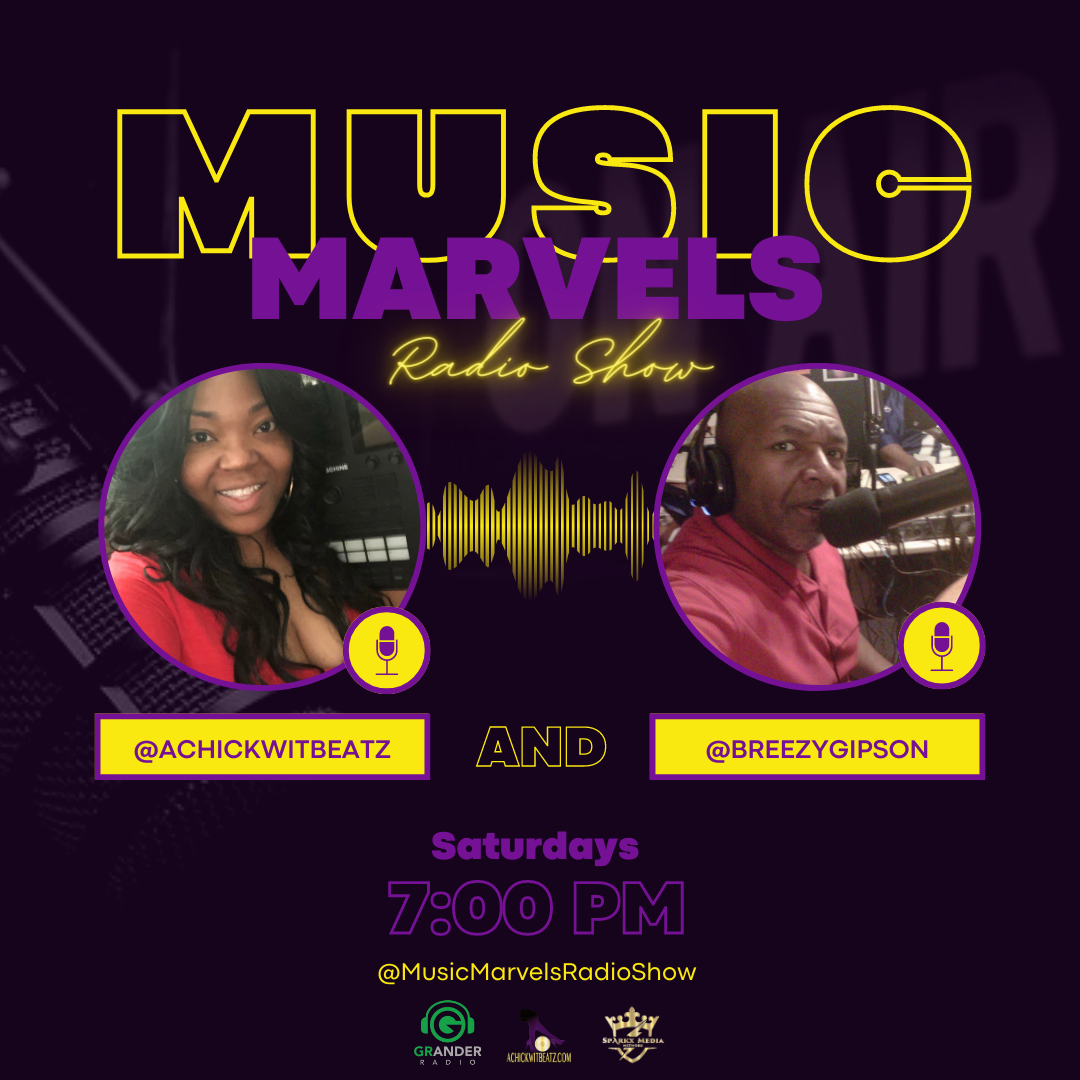
Music Marvels with Achickwitbeatz & Breezy Gipson Radio Show aired from May 2016 through April 2024 on multiple platforms including KBC Network, Grander Radio, and KSPX Sparks Radio Network. For new podcast episodes featuring instrumentals, artist insights, interviews & conversations, and music industry news & tips, listen to The Instrumental Intel Podcast with Achickwitbeatz on Saturdays at 7:00 pm ET. | Visit Achickwitbeatz.com for your instrumental needs & dope stuff for music lovers.
![Hear Here: Achickwitbeatz - Dopamine & Serotonin [Single]](https://images.squarespace-cdn.com/content/v1/52b0b90ae4b0293bfed0d692/1710852808557-EZYGFDIBHLBSIRFOVS1Q/Dopamine+%26+Serotonin.JPG)
A collection of gritty, yet soulful instrumentals produced by Achickwitbeatz, available on all major platforms. | Visit Achickwitbeatz.com for your instrumental needs & dope stuff for music lovers.

A collection of gritty, yet soulful instrumentals produced by Achickwitbeatz, available on all major platforms. | Visit Achickwitbeatz.com for your instrumental needs & dope stuff for music lovers.

Catch Music Industry News With Achickwitbeatz on Music Marvels Radio Show Saturdays at 7pm ET on Grander Radio & Achickwitbeatz.com and on A Show With ABrothaNamedSherm Tuesdays at 2pm ET & 8pm ET on Dream Access TV.
Hip Hop instrumental produced by Achickwitbeatz. | Visit Achickwitbeatz.com for your instrumental needs & dope stuff for music lovers.
Hip Hop instrumental produced by Achickwitbeatz. | Visit Achickwitbeatz.com for your instrumental needs & dope stuff for music lovers.

Hip Hop instrumental produced by Achickwitbeatz. | Visit Achickwitbeatz.com for your instrumental needs & dope stuff for music lovers.
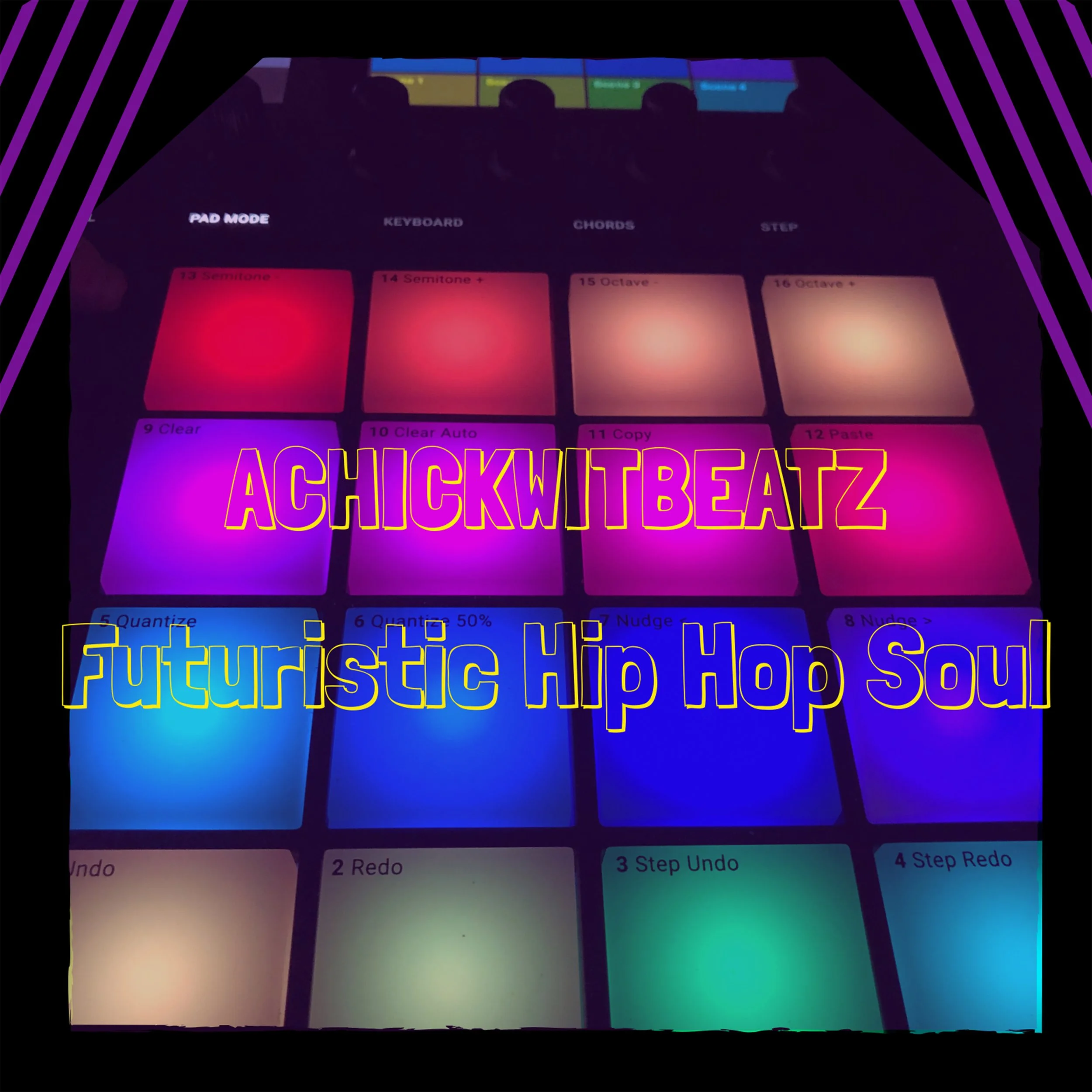
A collection of Futuristic Hip Hop Soul instrumentals produced by Achickwitbeatz, available on all major platforms. | Visit Achickwitbeatz.com for your instrumental needs & dope stuff for music lovers.

Networking is undoubtedly crucial for music artists to build a thriving career. With so many music events being postponed, it will take some maneuvering to compensate for what would normally occur face to face. Here are four easy ways to strengthen connections and expand your network from a safe space. | Visit Achickwitbeatz.com for your instrumental needs & dope stuff for music lovers.

If these unusual times we're experiencing have had an impact on your creativity, here are some tips to help you return to your creative flow. | Visit Achickwitbeatz.com for your instrumental needs & dope stuff for music lovers.

Hip Hop instrumental produced by Achickwitbeatz. | Visit Achickwitbeatz.com for your instrumental needs & dope stuff for music lovers.

There's an abundance of social media platforms for independent artists to utilize. It takes a great deal of energy to create & promote music in addition to day-to-day responsibilities. This makes it understandable why so many artists tend to stick to just one or two of their favorite sites. Though social media is a great way to communicate with fans, it's not always a reliable medium. Adjustments to algorithms, account restrictions, bans, site crashes and breaches can occur at anytime, making it important to have multiple ways to be able to communicate with your supporters. | Visit Achickwitbeatz.com for your instrumental needs & dope stuff for music lovers.
![Hear Here: Dagga Man- "Analytics" [Prod. by Achickwitbeatz]](https://images.squarespace-cdn.com/content/v1/52b0b90ae4b0293bfed0d692/1584638158548-9R55AZLWZIDFJC8LATV6/IMG_2212.JPG)
Hear the upcoming summer single from Dagga Man. Be on the lookout for the upcoming mixtape from the L.O.-H.e.M. | Visit Achickwitbeatz.com for your instrumental needs & dope stuff for music lovers.

I wrote an article about the 7 Types of Social Media Music Promoters that was published on Praverb.net. I decided to create an infographic to provide a visual for the information at a glance. | Visit Achickwitbeatz.com for your instrumental needs & dope stuff for music lovers.

Music Artists can have creative slumps from time to time. It can be frustrating when ideas don't flow as freely as we'd like. Here are some tips to help get you back into your groove. | Visit Achickwitbeatz.com for your instrumental needs & dope stuff for music lovers.

Visit Achickwitbeatz.com for your instrumental needs & dope stuff for music lovers.

Visit Achickwitbeatz.com for your instrumental needs & dope stuff for music lovers.

There can be beauty in simplicity. Each beat made fresh in less than 10 minutes a piece. Unique, simple & tasty like a fresh batch of hot drop biscuits. Free download, grab 'em while they last.

Listen/download the new instrumental album for poets produced by Achickwitbeatz.

I was recently blessed to chat with the ill lyricist and world renowned & prolific emcee and all around amazing artist Mahogany Jones. Peep the Q&A to gain insight & soak in her wisdom regarding the artistry of Hip Hop.
Download the free eBook from Achickwitbeatz filled with information for independent artists to use to reach their artistic career goals for 2017 and beyond.

Peep/listen/download episodes 1 & 2 and stay tuned for more! Achickwitbeatz Presents: Indie Label Sessions
#IndieIsWhereItsAt 😉 | Visit Achickwitbeatz.com for your instrumental needs & dope stuff for music lovers.
I created the Rhythm Related Recollections series for music lovers to reminisce on some of their favorite, not so favorite as well as even comical musical moments from 10 or more years ago. The good, the bad and the ugly. Everything plays its part in the tapestry of our appreciation for this beautiful art. Looking for a particular album or artist? Just use the search below. Know something that should be included? Use the comment section below. Also, please feel free to drop a comment to share your memories & thoughts about any given recollection!

Free download of a compilation of music from when I first started doing open mics & shows as well as collaborations with a few of my favorite emcees from Michigan. All tracks produced by me of course. Interested in being on Vol 2? Get at me =o)

For independent artists, combining social media marketing, inbound marketing, and SEO amplifies your music's reach. Social media fosters engagement and boosts SEO, inbound marketing draws fans with valuable content, and SEO ensures discoverability. Together, they drive growth and build lasting connections beyond the platforms.
Tips and information to help you achieve your artistic goals. | Visit Achickwitbeatz.com for you instrumental needs, resources for artists & dope stuff for music lovers.
Free Game Friday offers brief synopses of topics that independent artists need to know for success in the music industry. | Visit Achickwitbeatz.com for your instrumental needs & dope stuff for music lovers.

Artists who have taken the reins of their music careers can obtain valuable insight to achieve the success they desire. Knowing how often your music is played, how many people are listening and where your fans are located can help you determine where to focus your efforts. If you haven’t already, sign up for both to secure access to your artist account and learn more about how your music is performing across platforms. | Visit Achickwitbeatz.com for your instrumental needs & dope stuff for music lovers.

The International Federation of the Phonographic Industry (IFPI) has released the 2018 Music Consumer Insight Report. The data within this report provides global trends to help artists understand how people utilize music within their daily routines. Find out how this information may be helpful to your music career.| Visit Achickwitbeatz.com for your instrumental needs & dope stuff for music lovers.

There are multiple online publications that frequently release articles full of relevant information for artists looking to keep up with current events in the music industry. Many of these outlets use jargon that is common to mainstream heavy-hitters, but often tends make independent artists who don't have the time to research terms feel excluded. As a producer, I've been asked about many of these from time to time, so I compiled a glossary with concise definitions to help you navigate through any article to determine how you can apply the information to your artistic career. If there's another term not listed here that you've seen or heard frequently, but need it clarified, please feel free to mention it in the comments and I'll be happy to include it.

Many of the popular music blog sites that Hip Hop, R&B, House Heads & other genre lovers gravitate to are owned by/affiliated with just a handful of companies. While monetization of your hard work is generally a goal of many in the music industry, the question is how much of the content is influenced/sacrificed for the sake of those who fund the effort?

It happens sometimes. People you thought were down for the trials and tribulations on your path to success disappear, but when things are looking better they don't make the return you thought they would. It's NOT your problem and here's why.

This topic causes a bit of confusion among some artists on occasion, so I created an infographic to make it easier to see the differences at a glance. | Visit Achickwitbeatz.com for your instrumental needs & dope stuff for music lovers.

Social media can be a bit overwhelming at times and it can be hard to keep up with considering you've got everyday life demanding your attention. Not to mention the time it takes for you to make and market your music to pursue your dreams. It's easy to gravitate to your favorite social media platform and let the others fall by the wayside until it's time to promote that new project or new show coming up. Needless to say, it's a bit hard to get some traction on those tweets if you've been neglecting your audience until you need them. Here are some tips to stay moderately engaged and make the most you can from minimal use of the platform.
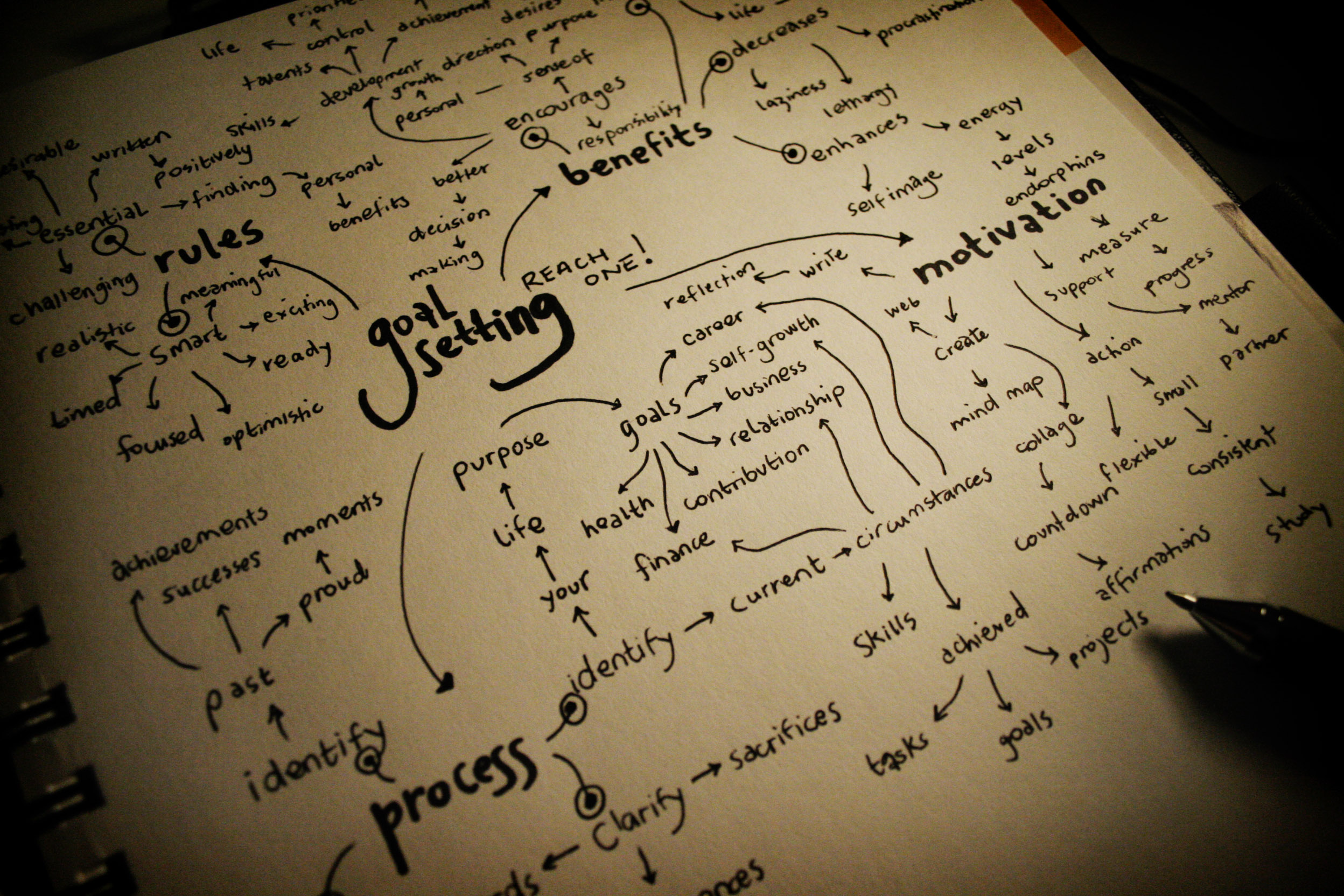
Now is the time that many businesses and organizations begin focusing on their strategic plan for the upcoming year. If you're an artist, producer, engineer, etc. without a major machine behind you, you should consider yourself as a business. While it’s important to plan and adjust throughout the year, December tends to be popular as it’s a great time to reflect on how things went and what you wish to accomplish heading into the next year.
New Year's resolutions are great for expressing your intentions, however they may not come into fruition without a solidified plan that details how you will achieve your goals. Take it to the next level and develop your strategic plan to help you accomplish your artistic goals for the new year and propel your career forward at a high velocity.
This was my fifth post for my dearly departed friend & colleague Praverb.
Collaboration is an awesome tool when executed effectively. The benefits to the parties involved can make a huge impact on their individual careers but occasionally, they can go wrong. Sometimes things just happen that can throw off planning, other times people just happen.
When “people” happen, it is not due to anomalies but rather reoccurring habitual actions that lead to expectations not being met. Some of these characteristics can leave a bad taste in the mouths of collaborating artists, producers and promoters, potentially causing social backlash.
If you recognize these traits in anyone you have worked with, are working with or desire to work with you can make adjustments accordingly to spare yourself some headache. If you recognize any of these traits in yourself, reflect on it and take the opportunity to become a person people love to collaborate with.
![Making Music on a Budget [Infographic]](https://images.squarespace-cdn.com/content/v1/52b0b90ae4b0293bfed0d692/1582844361438-3JTE5NT3EL51FHXC0WJI/making-music-on_1929722%25281%2529.jpg)
Here are some simple tips to make the process of budgeting for your project a less daunting task and easily attainable. | Visit Achickwitbeatz.com for your instrumental needs & dope stuff for music lovers.
It happens to many artists and quite frequently those that are tremendously talented. Being an artist requires a certain amount of sensitivity. You see the world differently and you draw from your own personal experiences and emotions to compose something that your fans will enjoy. You are pouring yourself into your music and the thought of someone not appreciating that can be a bit frightening and at times cause creative paralysis. Here are four things to keep in mind to allow you to create freely.
This was my third post for my dearly departed friend & colleague Praverb. He was a HUGE assistance to this post and I will forever be grateful for his guidance, help and the ability to broadcast my ideas and thoughts on his platform.
Social media has become a megaphone for the masses. As music artists and producers we recognize the value that it holds for getting our talent to the ears of people who will enjoy it.
Chances are, you’re connected with others in the industry and have witnessed the various tactics employed to get people to listen.
Some strategies work well for some people, while others...not so much.
Every artist is unique and has a unique fan base, therefore a variety of strategies tailored to your personality and those you are trying to reach is important.
No matter what your style is, make it work for you. Here, I will point out 7 types of social media music promoters.
I worked on a list that I thought would be helpful for independent artists. There's a lot of focus on only a few outlets but there are many to choose from. This list was originally published on Praverb.net, many thanks to Praverb for the assistance and support.

This was my first post for Praverb.net, inspired some of the frustrations I've observed artists contend with. There is a difference between a fan (someone who enjoys your music) and a supporter (someone who contributes their time and or money to enable you to continue in your craft). Here are some simple tips to convert your fans into supporters.
A homage to the golden era of 1990s instrumental beat vinyl. Crafted as the perfect partner for freestyling MCs, dancers, and DJ culture. | Visit Achickwitbeatz.com for your instrumental needs & dope stuff for music lovers.