

Reviewing your marketing strategy at the end of the year is crucial to understanding how your efforts impacted your growth as an independent artist. Just relying on assumptions or surface-level impressions of success isn’t enough. If you carefully evaluate your tactics, you can determine what actually resonated with your audience, what underperformed, and where you should focus next. A planned, detailed review will help you make informed decisions for the coming year, to make sure your marketing aligns with both your creative goals and your audience’s behavior.
Why a Year-End Review Matters: Understanding the Impact of Your Marketing Efforts

Photo by Panagiotis Falcos on Unsplash
A year-end review gives independent artists the opportunity to step back from daily marketing activities and evaluate overall effectiveness. Music marketing operates in a rapidly changing environment, from social media algorithm updates to shifts in streaming behavior, and strategies that worked earlier in the year may lose impact over time. By analyzing your efforts, you gain clarity about which approaches truly engage listeners, grow your fanbase, and support your long-term career objectives. This reflection creates a foundation for making strategic decisions instead of repeating unproductive routines.
Gathering the Right Data: Collecting Metrics That Show Real Engagement
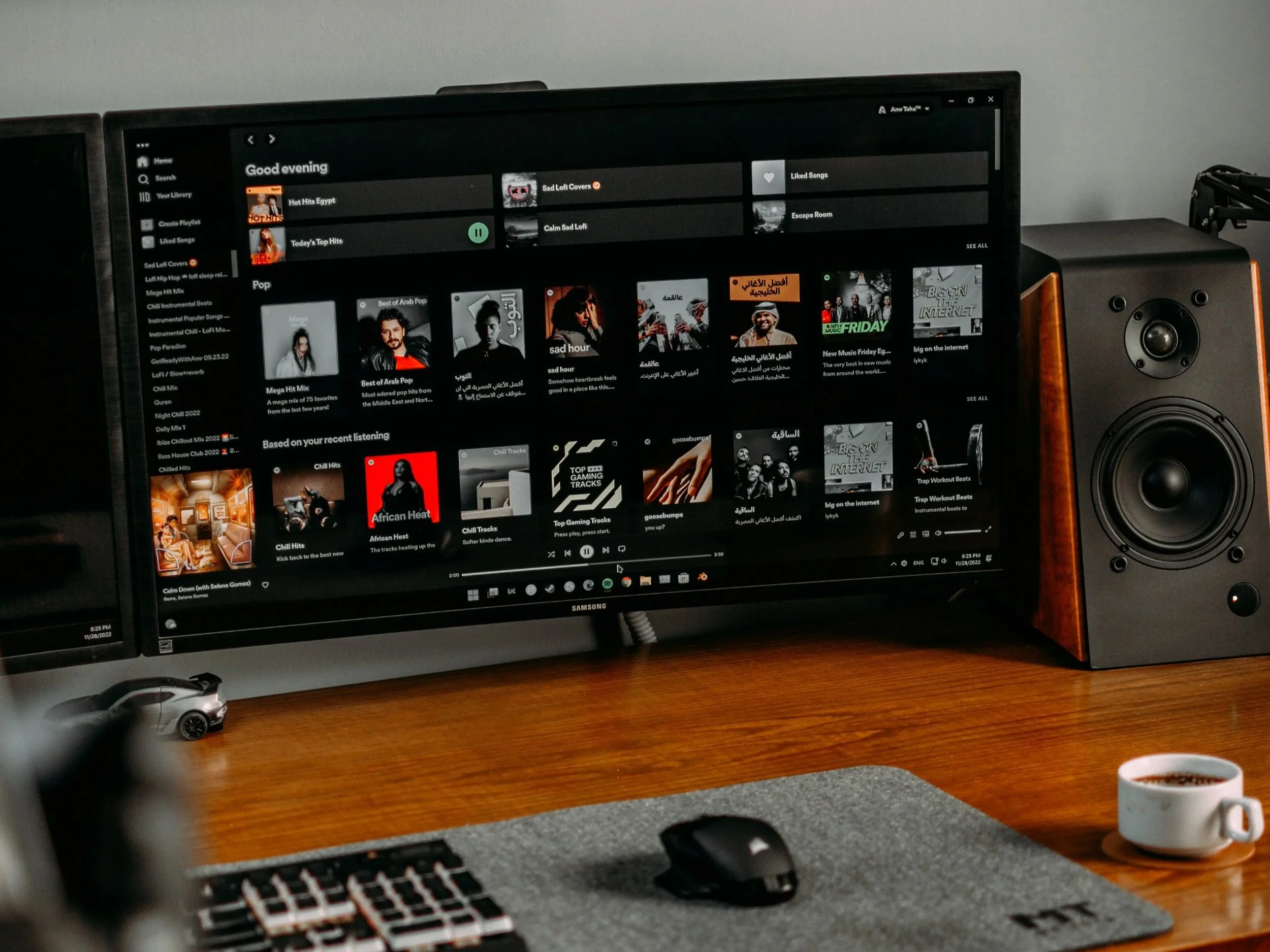
The first step in a year-end review is collecting the right data across all channels of your music marketing. Focus on measurable metrics that show real engagement and outcomes rather than vanity metrics that only appear impressive on the surface. For example:
Streaming metrics: Track plays, saves, and playlist additions on platforms like Spotify, Apple Music, and YouTube to understand which tracks resonated most with listeners and where engagement is growing.
Social media engagement: Look at likes, comments, shares, and audience growth to see which platforms and content types connect most effectively with your fans.
Email and newsletter performance: Open and click-through rates indicate whether your messaging is reaching fans and prompting action.
Website analytics: Monitoring traffic sources, top pages, and time spent on your site shows whether promotional campaigns are driving fans to your digital hub.
Collecting all of this data in one place, such as a spreadsheet or a dashboard, creates a clear picture of your current marketing impact and allows for easier comparison across different strategies.
Evaluating Your Marketing Tactics: Analyzing Campaigns, Channels, and Content

Photo by Ambitious Studio* | Rick Barrett on Unsplash
Once you gather your data, the next step is evaluating the effectiveness of your marketing efforts. Look at your campaigns, channels, and content in detail to identify patterns and insights. Consider questions such as: Which campaigns achieved their goals? Which platforms delivered consistent results? What types of content generated the highest engagement?
Campaign evaluation: Compare the outcomes of each campaign with the objectives you initially set. For instance, if your goal was to gain playlist placements, did the tracks see meaningful engagement or streaming increases afterward?
Channel performance: Identify which platforms consistently delivered results and which may need adjustments or less focus moving forward. Doubling down on high-performing channels can be more efficient than spreading efforts too thin.
Content analysis: Examine recurring characteristics in your best-performing posts, videos, or emails, including timing, messaging, and format. Understanding what resonated can inform future content planning.
Evaluating your tactics in this way helps distinguish successful strategies from activities that simply consumed time without meaningful impact.
Finding Strengths, Gaps, and Growth Potential

Photo by Özer Güzel on Unsplash
A thorough review not only measures past performance but also highlights areas for improvement and potential growth. Understanding gaps in your strategy allows you to plan proactively rather than reactively.
Underperforming channels: Determine whether content needs adjustment or if resources would be better spent elsewhere. This ensures marketing energy is directed toward strategies with real potential.
Audience segmentation: Identify subgroups within your fanbase (like regional fans or niche listeners) who could be engaged more effectively. Tailored strategies often deliver better engagement than one-size-fits-all campaigns.
Partnership and collaboration opportunities: Review your network and consider potential collaborations that could expand your reach and audience in the coming year.
By focusing on these gaps, you can refine your strategy and create actionable next steps instead of repeating unproductive practices.
Turning Insights into Actionable Marketing Goals for the Next Year

Photo by Charlie Firth on Unsplash
The insights gained from your review should inform clear, actionable goals for the coming year. Avoid vague objectives and instead define measurable outcomes that are directly tied to your marketing data.
Specificity: Set goals like “increase Instagram engagement by 10% over six months” instead of just “grow engagement.” Clear targets make it easier to monitor progress.
Alignment with career objectives: Goals should support your broader aspirations, such as growing your mailing list, increasing streams, or improving fan retention.
Actionable steps: Break larger goals into quarterly or monthly initiatives to make progress measurable and adjustments manageable.
By translating insights into concrete goals, your marketing efforts become more focused, intentional, and likely to produce meaningful results.
Building a Strategy Grounded in Evidence

Photo by Faizur Rehman on Unsplash
Conducting a year-end review gives independent artists a clear understanding of how their marketing efforts performed and where improvements are possible. Gathering accurate data, assessing campaigns, and identifying gaps allows you to make strategic decisions grounded in evidence. These insights guide where to invest time and resources, ensuring your efforts have the greatest impact on audience growth and engagement. Regularly reviewing your strategy helps maintain focus, adapt to changing trends, and strengthen your connection with fans over time.
- Art
- Independent Labels
- Internet Radio
- Music Documentaries
- Album Reviews
- Music History
- Music Industry News
- Free Game Friday
- Free Downloads
- Poetry
- Books
- Interviews
- Did You See It?!
- Hip Hop History
- Hear Here
- Music News
- Hip Hop Documentaries
- Music Marvels Radio Show
- Think Piece Thursday
- Mini Documentaries
- Instrumental Intel
- Music Humor
- Indie Analysis
- Conversations & Quotables
- Music
- Resources for Artists
- Podcasts
- Beats/Instrumentals
- Music Education












![Hear Here: Achickwitbeatz - Dopamine & Serotonin [Single]](https://images.squarespace-cdn.com/content/v1/52b0b90ae4b0293bfed0d692/1710852808557-EZYGFDIBHLBSIRFOVS1Q/Dopamine+%26+Serotonin.JPG)







Guest post by Emma Grace Brown. The hardest part of building a creative career is living in the tension between making meaningful work and making it pay. Explore tips for blending creativity and strategy to keep your art alive and help it earn.