

Photo by Martin Błaszkiewicz on Unsplash
Assessing your marketing return on investment (ROI) as an independent artist requires a realistic look at how your time, money, and momentum work together to shape your growth. Research into independent artist marketing consistently shows that most creators focus too narrowly on dollars spent versus dollars earned. That’s useful, but it’s incomplete. In order to get a more accurate understanding of ROI, you need to evaluate all three dimensions: the hours you commit to marketing tasks, the actual financial costs involved, and the traction your efforts generate over time.
Why ROI for Independent Artists Needs a Multi-Layered Approach

Photo by Ricardo Díaz on Unsplash
Independent artists usually develop their own marketing strategies without large budgets or external support. Because of this, ROI can’t be assessed just through revenue alone. A promotional tactic may not produce immediate income but may still move your audience forward in meaningful ways. Momentum (slow, steady improvement in engagement, visibility, or audience behavior) is often an early indicator that a strategy is worth continuing.
When ROI is examined holistically, artists can gain a clearer sense of which efforts contribute to sustainable growth and which ones drain resources without creating long-term advancement.
Evaluating How Your Time Is Spent
Photo by Jose Fabula on Unsplash
Time is one of the most limited assets for independent artists, especially since many of us are balancing multiple responsibilities. Research on artist workflows shows that large amounts of time often go into tasks that may feel productive but don’t deliver much forward movement. That’s why examining time-based ROI is essential.
This process typically includes reviewing:
Tasks that consume significant hours but result in little measurable engagement or audience movement. These patterns often reveal areas where workflows need to be improved or simplified.
Actions that reliably build visibility or engagement, even if they require fewer hours. These are strong indicators of high-value tasks that should be preserved or expanded.
Activities done out of habit rather than impact. Over time, many artists repeat tasks simply because they feel foundational, even if the data doesn’t support their continued importance.
Looking at time through this lens makes it easier to prioritize work that actually contributes to your career instead of filling your schedule with low-impact duties.
Evaluating the Money You Spend

Photo by Ash _ Ismail on Unsplash
Marketing budgets for independent artists vary from person to person, but research consistently shows that unexamined spending is one of the biggest sources of wasted resources. Evaluating the financial side of ROI is not about expecting every cost to result in immediate earnings. It’s about understanding whether the money you invest has a tangible, observable effect on your music career.
Key areas of financial evaluation often include:
Subscription tools, services, or add-ons that no longer support your current goals. These recurring costs add up and often stay active simply because they go unnoticed.
Expenses that remove time-consuming manual work or provide structure. Even when these costs don’t produce direct revenue, they can be worthwhile because they free up time for more valuable activities.
Paid promotions or campaigns that correlate with measurable increases in engagement or platform activity. These indicators help determine whether a financial investment is creating real movement.
Financial ROI helps you identify which expenses are meaningful and which ones aren’t supporting your growth in any clear way.
Evaluating Momentum as a Core ROI Metric

Photo by Matthew Ball on Unsplash
Momentum is harder to measure than time or money, but it often provides the most reliable picture of whether your marketing efforts are moving your career forward. Momentum comes from consistent, research-backed indicators that show your audience is becoming more responsive and engaged.
These indicators typically include:
Improving engagement patterns across your platforms. This may show up as steadier likes, comments, shares, or saves. Basically, they’re small shifts that accumulate into long-term traction.
Increased reach or visibility through platform algorithms. While not a financial return, this signals that your content resonates and is being surfaced more frequently.
Audience behaviors that reflect deeper connection, such as email list interaction or repeat visits. These actions often precede financial support and represent trust and loyalty forming over time.
Momentum gives artists early data they can use to understand whether a strategy is building toward long-term results.
Building a Practical ROI System You Can Maintain

Photo by Matthew Justice on Unsplash
A strong ROI process does not require complex spreadsheets or advanced analytics. What matters most is maintaining a simple system you can revisit consistently. This helps reduce guesswork and allows patterns to emerge naturally from your own data.
A practical, research-supported structure often includes:
Listing your main recurring marketing activities in one place. This becomes a clear picture of where your time and money are going.
Assessing each activity through the lens of time, money, and momentum. This doesn’t require precise scoring, just an honest evaluation of where value is showing up.
Identifying actions with high resource use and weak momentum. These are candidates for adjustment or elimination so your strategy stays efficient.
Highlighting low-cost, low-time actions with strong momentum indicators. These become priority efforts because they support growth without draining resources.
Using this kind of structured review helps you stay intentional instead of reactive.
Using ROI Insights to Strengthen Your Strategy Over Time
Photo by Erick Chévez on Unsplash
After you look at your marketing through these three dimensions, it gets easier to decide what deserves more effort and what needs to be refined. A multidimensional view of ROI supports sustainable growth because it prevents you from chasing short-term spikes or getting stuck in low-impact routines.
This approach helps independent artists preserve energy, use budgets intentionally, and amplify strategies that show clear signs of movement. Over time, this leads to more balanced planning and stronger long-term results.
- Art
- Independent Labels
- Internet Radio
- Music Documentaries
- Album Reviews
- Music History
- Music Industry News
- Free Game Friday
- Free Downloads
- Poetry
- Books
- Interviews
- Did You See It?!
- Hip Hop History
- Hear Here
- Music News
- Hip Hop Documentaries
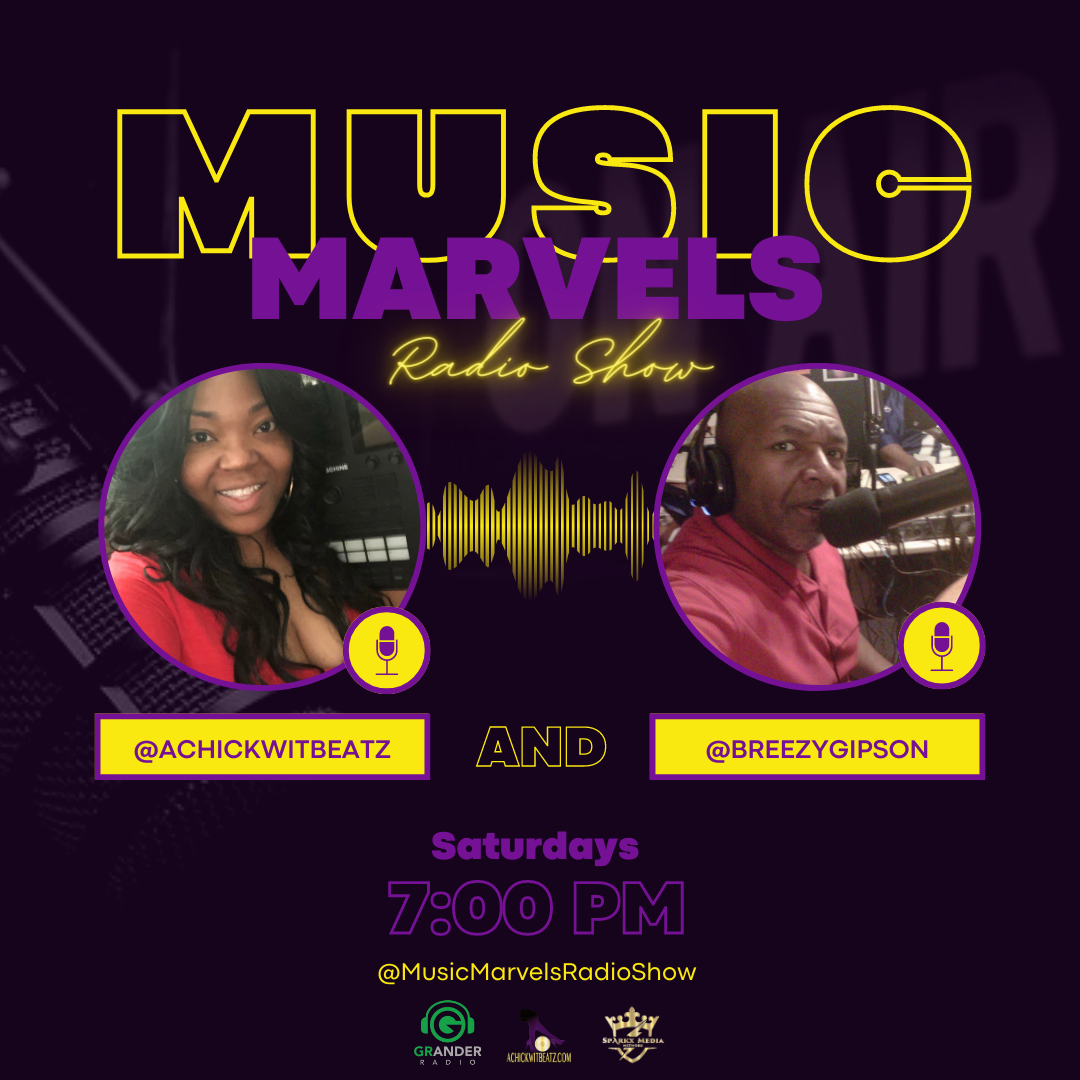
- Music Marvels Radio Show
- Think Piece Thursday
- Mini Documentaries
- Instrumental Intel
- Music Humor
- Indie Analysis
- Conversations & Quotables
- Music
- Resources for Artists
- Podcasts
- Beats/Instrumentals
- Music Education













![Hear Here: Achickwitbeatz - Dopamine & Serotonin [Single]](https://images.squarespace-cdn.com/content/v1/52b0b90ae4b0293bfed0d692/1710852808557-EZYGFDIBHLBSIRFOVS1Q/Dopamine+%26+Serotonin.JPG)







Guest post by Emma Grace Brown. The hardest part of building a creative career is living in the tension between making meaningful work and making it pay. Explore tips for blending creativity and strategy to keep your art alive and help it earn.