
Updated: July 12, 2026

Photo by Chad Stembridge on Unsplash
There are so many things vying for everyone’s attention, so it’s even more important for independent artists to find a way to cut through the chaos. One of the marketing strategies that seems to work well is building meaningful relationships with influencers. I’ve been researching how to find and work with those who can help amplify the music without compromising authenticity (or breaking the bank). Here are some of the insights I’ve gathered while learning what works, what doesn’t, and how indie artists like us can successfully navigate the influencer landscape.
Why Influencer Relationships Matter in Music Marketing

Influencers on TikTok, YouTube, Instagram, or even Twitch can help boost visibility for a song, an EP rollout, or even your overall brand. While some people may think paying someone to post seems like the obvious route, that approach doesn’t always lead to long-term traction or genuine engagement. For most indie artists, sustainable growth comes from building real relationships versus purely transactional ones.
Here are some tips on how to build relationships over one-off shoutouts.
Step 1: Identify the Right Influencers

Photo by Chris Montgomery on Unsplash
Not all influencer relationships are worth pursuing. Just because they have a large following doesn’t automatically mean you’ll see better results. Alignment is what matters most. It’s important to consider:
Audience match: Does the influencer’s audience overlap with your target listeners? If you make alt-R&B, someone known for hyperpop might not be the best fit even if they have a massive following.
Content style: Does their content naturally lend itself to featuring music (e.g., dance challenges, lifestyle vlogs, skits)? Look for creators who already integrate music into their posts in a way that feels organic.
Engagement over follower count: High views with low engagement can be a red flag. Comments, saves, shares, and duets are stronger indicators of influence than views alone.
Consider using tools like TikTok Creator Marketplace, CloutHQ, or even just old-school manual research on platforms to find micro- and mid-tier creators whose content feels like a natural fit for your sound and brand.
Step 2: Engage Before You Pitch

Photo by George Pagan III on Unsplash
One mistake I see artists make is reaching out with a pitch before ever interacting with a creator. I’ve been on the receiving end of this, and it is incredibly off-putting. Cold DMs with a link to your song rarely get a response, and if they do, it’ll likely come with a rate sheet.
Instead, it’s better try a gradual approach:
Follow their content. Take a look at what they post. Comment thoughtfully, not just fire emojis, but something that adds value or shows you get what they’re doing.
Share their content. Reposting something to your Stories and tagging them can start to build mutual awareness.
Reply to their Stories. This creates a low-pressure opportunity for casual conversation and helps you get on their radar before you ever ask for anything.
By investing time up front, your future outreach is more likely to be received with interest rather than ignored or filtered out.
Step 3: Reach Out with Clarity and Respect
Photo by Nadine Marfurt on Unsplash
Once there’s been some initial interaction, then you can reach out with a clear, respectful message. Be sure to include:
Who you are and why you’re reaching out
Why you think the collaboration would be a good fit
What you’re asking (without pressure)
Room for creative freedom
It’s important that you don’t treat influencers like ad space. Instead of telling them what they should post, try to open the door for collaboration with something like, “If this inspires any ideas or fits into something you’re working on, I’d love to collaborate.”
Also, don’t assume exposure is enough. If you don’t have a budget, say so upfront. If you do, be transparent about it. Respect for their time and platform goes a long way.
Step 4: Build Beyond the First Collab
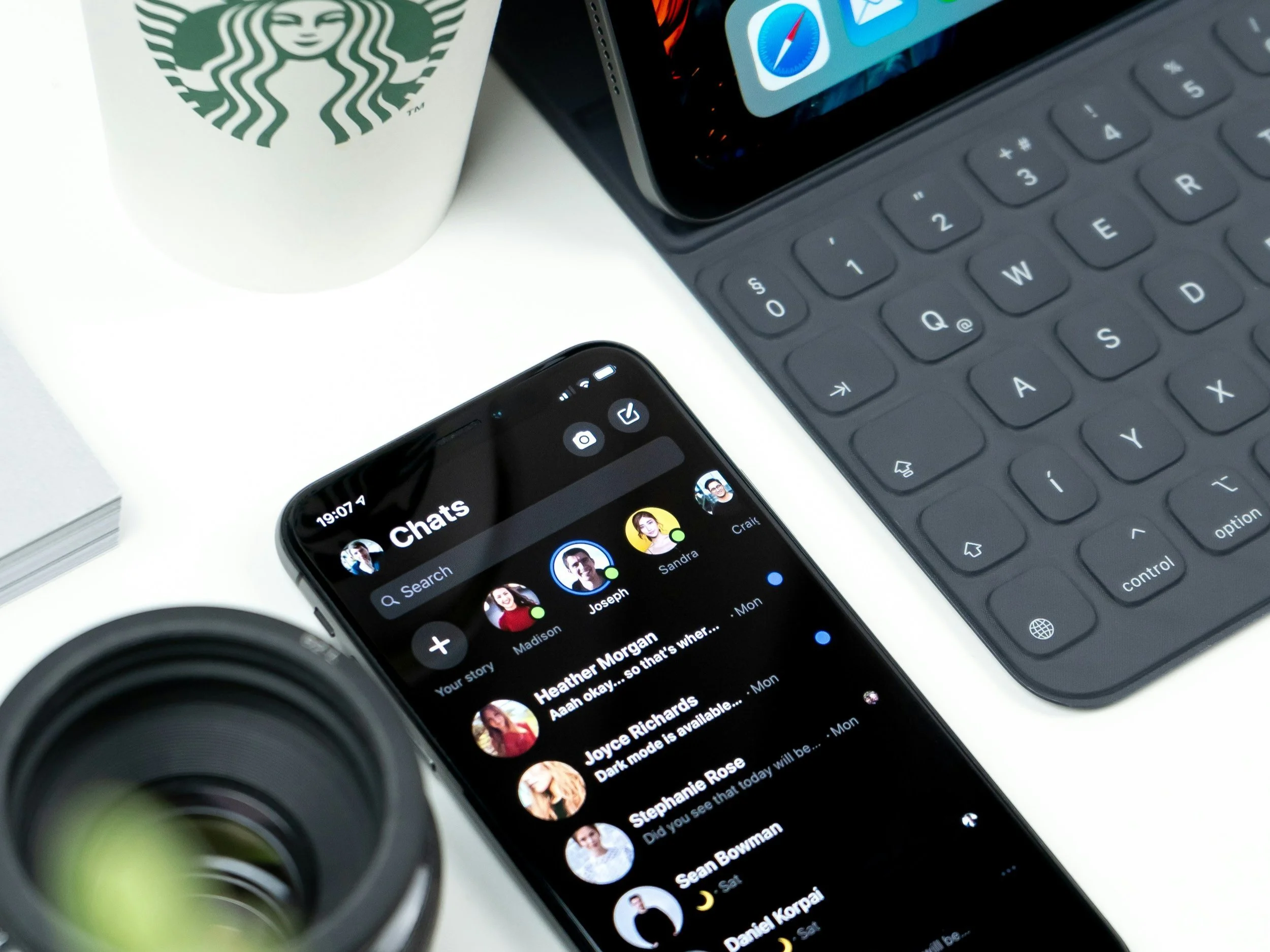
Photo by Daniel Korpai on Unsplash
One post is great, but it’s even better to cultivate a mutually beneficial relationship. That means:
Thanking them publicly and privately
Continuing to engage with their content after the collab
Tagging them properly and linking out to their page
Staying in touch and supporting their growth too
When an influencer sees you as more than just a one-time transaction, they’re more likely to support future releases or even shout you out unprompted. And sometimes, a single good experience can turn into a long-term creative relationship.
Influencer marketing might be one of the best ways to amplify your music, but the key is to approach it with the mindset of building relationships, instead of a series of transactions. That means doing your homework, respecting the creator’s platform, and thinking long-term. It’s not always fast (and it definitely takes effort), but if you’re working with limited resources, relationship-building can be a powerful, scalable strategy.
If you’ve had experiences (good or bad) with influencer outreach, I’d love to hear about them. I’m learning as I go, and this is one part of music marketing where shared knowledge can really make a difference.
- Art
- Independent Labels
- Internet Radio
- Music Documentaries
- Album Reviews
- Music History
- Music Industry News
- Free Game Friday
- Free Downloads
- Poetry
- Books
- Interviews
- Did You See It?!
- Hip Hop History
- Hear Here
- Music News
- Hip Hop Documentaries
- Music Marvels Radio Show
- Think Piece Thursday
- Mini Documentaries
- Instrumental Intel
- Music Humor
- Indie Analysis
- Conversations & Quotables
- Music
- Resources for Artists
- Podcasts
- Beats/Instrumentals
- Music Education









![Hear Here: Achickwitbeatz - Dopamine & Serotonin [Single]](https://images.squarespace-cdn.com/content/v1/52b0b90ae4b0293bfed0d692/1710852808557-EZYGFDIBHLBSIRFOVS1Q/Dopamine+%26+Serotonin.JPG)



Guest post by Emma Grace Brown. The hardest part of building a creative career is living in the tension between making meaningful work and making it pay. Explore tips for blending creativity and strategy to keep your art alive and help it earn.