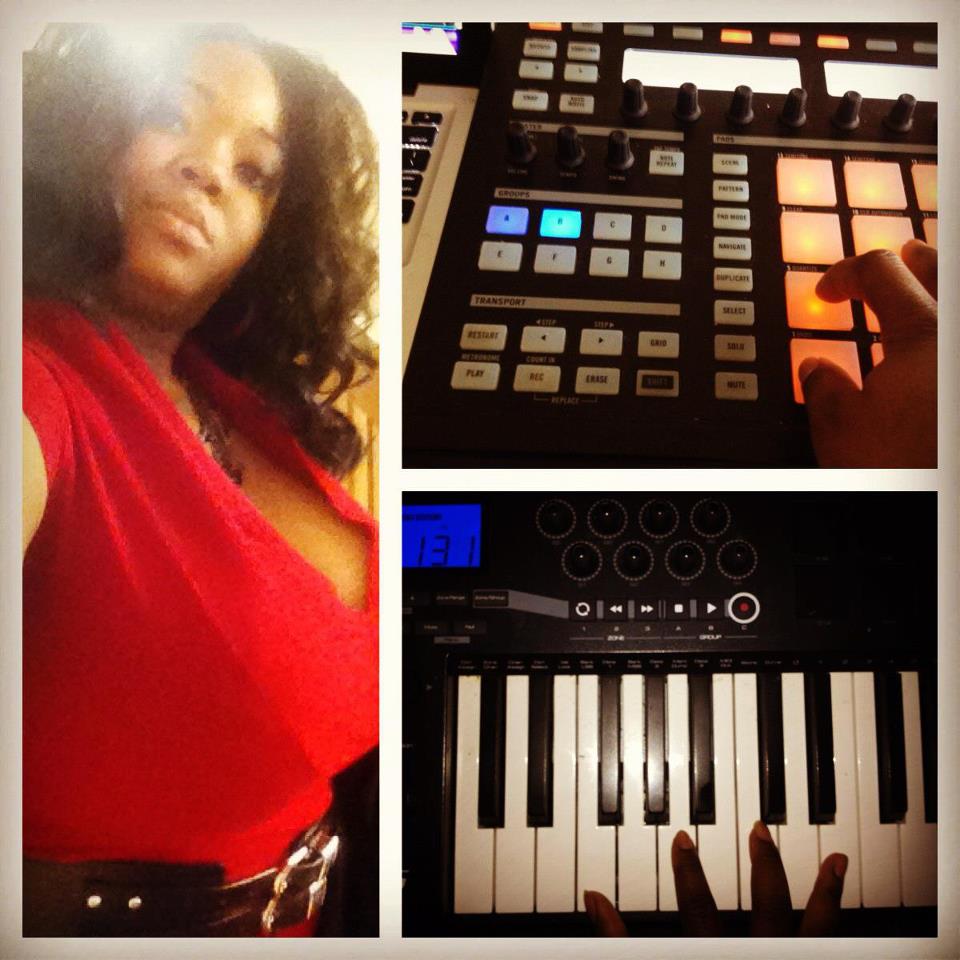

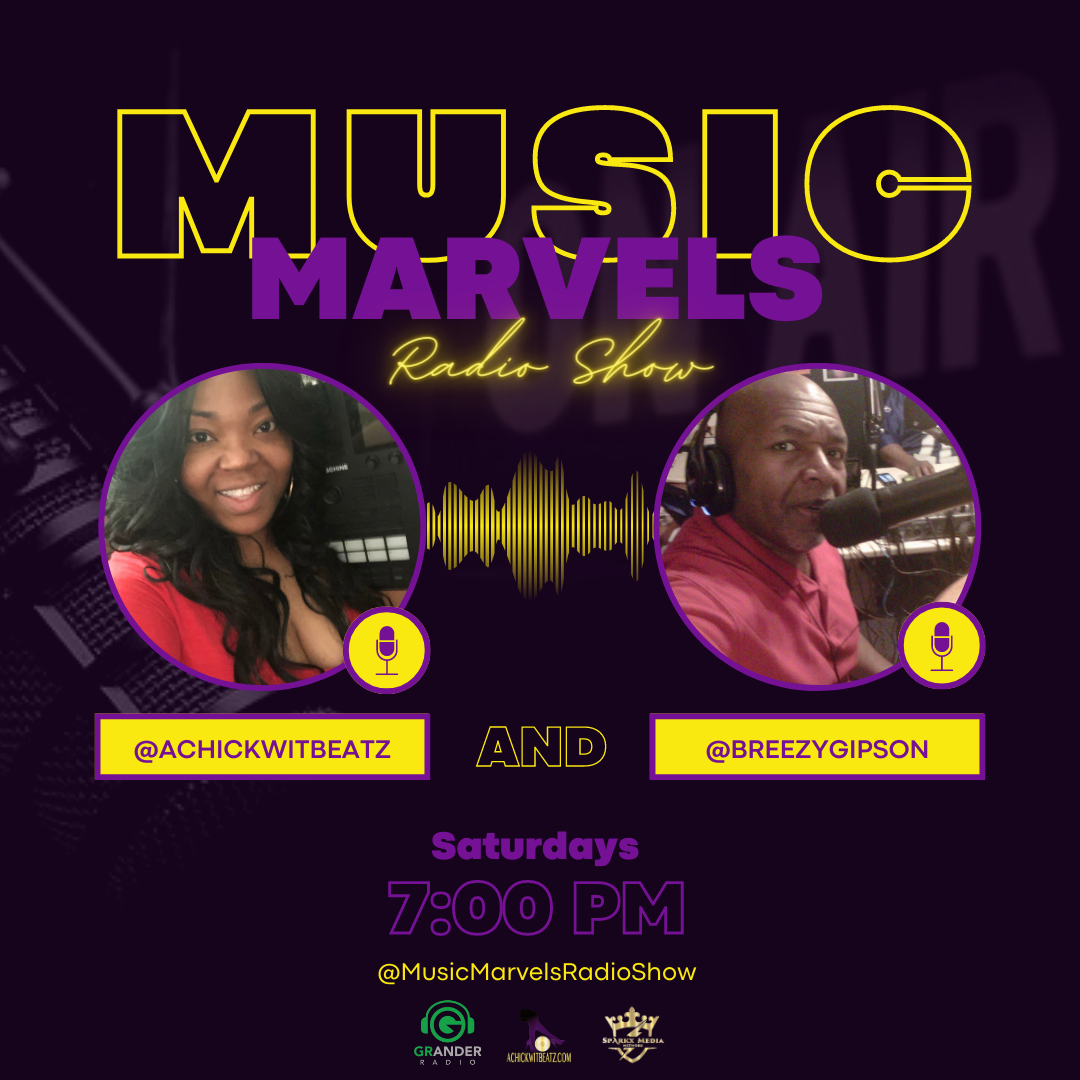
Achickwitbeatz presents the Instrumental Intel podcast, bringing you information instrumental to your artistic career including music industry news & tips, insights & interviews, and beats for your inspiration. Listen on Saturdays at 7 pm EST on Grander Radio and Achickwitbeatz.com.
Follow on Facebook, Instagram, Twitter, YouTube Audiomack & SoundCloud, and subscribe on your favorite podcast platform. Download the Grander Media app to listen to Grander Radio on the go.


- Art
- Independent Labels
- Internet Radio
- Music Documentaries
- Album Reviews
- Music History
- Music Industry News
- Free Game Friday
- Free Downloads
- Poetry
- Books
- Interviews
- Did You See It?!
- Hip Hop History
- Hear Here
- Music News
- Hip Hop Documentaries
- Music Marvels Radio Show
- Think Piece Thursday
- Mini Documentaries
- Instrumental Intel
- Music Humor
- Indie Analysis
- Conversations & Quotables
- Music
- Resources for Artists
- Podcasts
- Beats/Instrumentals
- Music Education
00:01
Hey, thank you so much for tuning into instrumental Intel. I'm your host, music producer, Achickwitbeatz, and I'm glad that you've joined me. Today's episode is special since it's December and we're kind of winding down 2025. Going to be giving out some strategy tips and planning, you know, to kind of take inventory of what worked for you this year and some opportunities you may want to improve upon. So it's going to be a great time, of course.
00:29
beats by me for your inspiration and music industry news. Before I go ahead and drop that first beat, I gotta give a shout out to my home station, Grander Radio out of Grand Rapids, Michigan. And with that, let's go.
[BEAT BREAK]
13:58
Hey, I'm Achickwitbeatz, multi-genre music producer and strategist to indie artists and labels. Visit achickwitbeatz.com for resources for artists and instrumentals in various genres available for songs, vlogs, blogs, podcasts, themes, TV, film, commercials, and more. Once again, that's achickwitbeatz.com. That's A-C-H-I-C-K-W-I-T-B-E-A-T-Z.com. Let's make something happen.
14:28
Alright, I'm back with the music biz brief. First up, the US Supreme Court is set to rule on the long-running piracy case between ISP Cox and the major labels, which could reshape online copyright enforcement. If you're a longtime listener of the show and my previous show, you've been aware that this has been in the works, but you know, it's hitting the news cycles pretty heavily again uh since they're actually going to rule on it. So the majors warn that Cox
14:56
If they win, it would effectively nullify the DMCA's safe harbor, which protects internet providers from liability if they address repeat infringers. Cox argues that it shouldn't be liable for users' piracy unless it actively encourages it, raising concerns about how ISPs could police-share networks like universities without affecting innocent users. A 2019 jury already held Cox liable for $1 billion, citing its failure to meet DMCA obligations.
15:26
this decision could have major implications for how online piracy is managed in the US. Next, YouTube has launched a new annual recap feature, giving users a snapshot of their top channels, interests, and viewing habits over the past year. Some of it are Spotify-wrapped, recap highlights trends, assigns a quote-unquote personality type based on watch history, and includes stats for music-related content. It's available in the US, now on mobile and desktop.
15:55
With a global rollout this week, YouTube Music's separate recap for songs, artists, and podcasts remains unchanged. Next, Audio Shake has launched new SDKs that detect and remove copyrighted music in real time for live and on-demand video. Designed for broadcasters, sports leagues, and creators, the tools preserve dialogue and ambient sound while keeping content compliant with copyright rules. It's optimized with NVIDIA's GPUs,
16:23
The system handles fast, noisy environments like stadiums. The SDKs are now available across iOS, Android, Windows, Mac OS, and Linux, allowing developers to integrate real-time music removal into streaming, social, and live production workflows. And here's an example where that could have been useful. Warner Music Group has filed a lawsuit against
16:46
clothing brand PacSun for using at least 290 Warner Music Group songs in TikTok and Instagram posts without proper sync licenses. The suit alleges blatant, willful, and repeated copyright infringement, targeting both the brand's own content and influencer campaigns. While social platforms have licenses for regular users, those deals don't cover commercial brands, making this a growing area of legal risk.
17:12
And speaking of Warner Music Group, they posted Q3 2025 revenues of $1.868 billion, up 12.6 % year over year, with recorded music up 12.7 % to $1.534 billion and streaming reaching $931 million.
17:32
subscription streaming grew 7 % to 700 million, while artist services and expanded rights revenue surged 64.3 % to 327 million driven by Oasis merch and concert promotion. Warner Chappell Music's publishing revenues rose 12.7 % to $337 million, boosted by performance and sync income. Net income more than doubled to $109 million with key contributors including Alex Warren, Ed Sheeran,
18:02
Twenty One Pilots, and Teddy Swims. And Warner is also in the news for reaching a new agreement with AI music platform, Suno, that settles their copyright lawsuit and sets up a licensed path for AI-generated music. The deal gives artists and songwriters control over how their names, voices, and compositions can be used. Suno plans to launch new licensed models in 2026, discontinue its current versions, and place downloads behind paid tiers.
18:31
The company also acquired concert discovery platform Songkick from Warner Music Group, saying it will continue operating it while building new artist fan tools. This announcement follows Suno's recent $250 million funding round and comes as major labels continue securing similar AI licensing deals ahead of 2026.
18:51
And speaking of Suno, they're asking the court to dismiss most claims in a copyright lawsuit brought by Tony Justice and other artists, arguing the case should focus on whether training AI on copyrighted music qualifies as fair use. The artists allege Suno copied music from YouTube and created derivative works without permission, but Suno says no outputs match the song cited and that YouTube's rolling cipher limits downloads not accessed so it doesn't violate the DMCA.
19:20
The company is facing similar lawsuits from other artists, even as it recently raised $250 million in funding at a $2.45 billion valuation. And that's a wrap for this week's Music Biz Brief. I'm gonna take a quick pause for the cause and then I'll be back right after this. Keep it locked.
20:12
[BEAT BREAK]
27:55
Hey, this is music producer Achickwitbeatz, and you're listening to my podcast Instrumental Intel.
28:04
[BEAT BREAK]
30:33
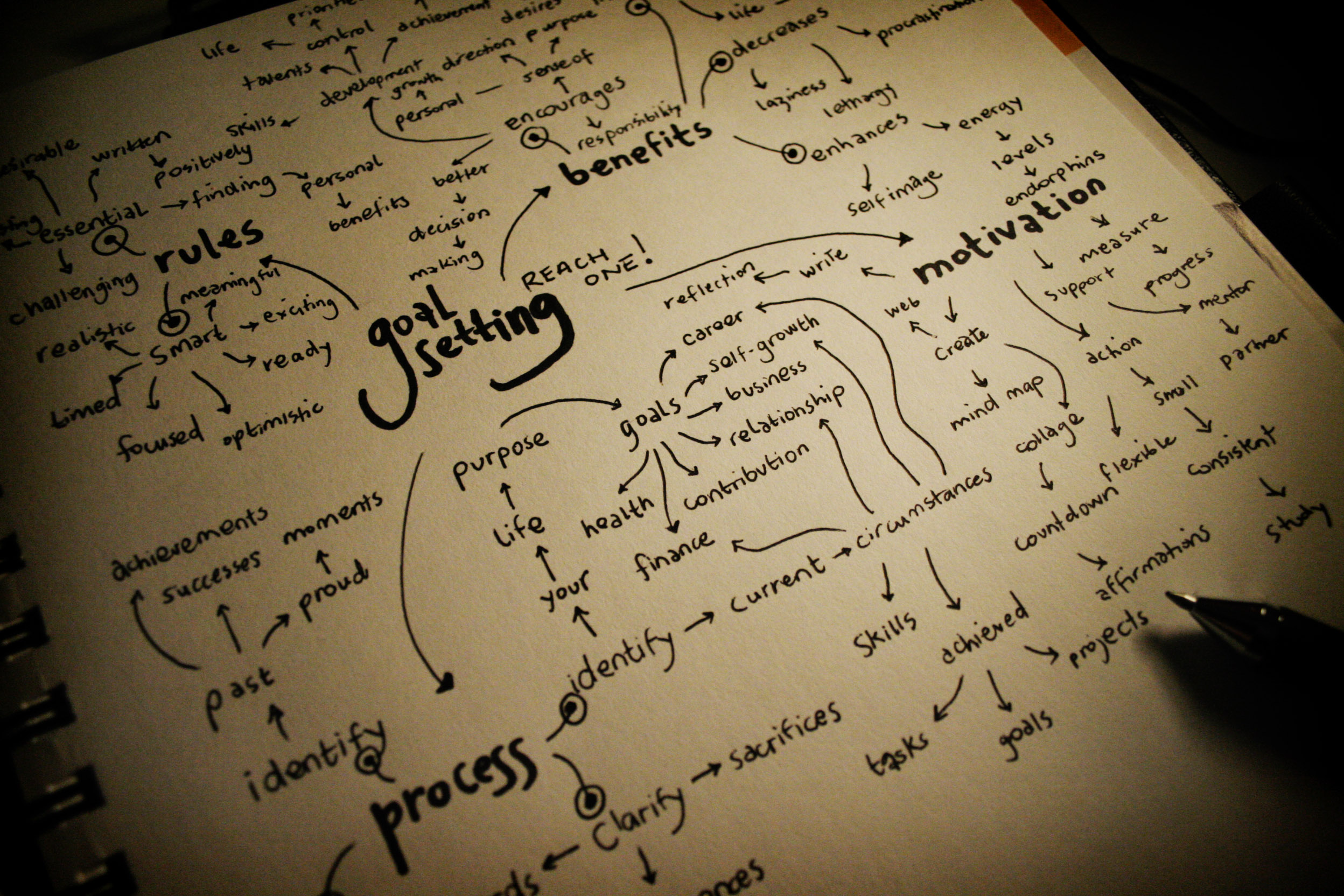
All right, I'm back as promised with the year-end creative strategy session. This particular one is about turning 2025 insights into your 2026 artist roadmap. uh So, you know, basically it makes a lot of sense to plan ahead for independent artists because it can relieve some of the stress.
31:00
of trying to make sure that you get everything that you want to accomplish done. So, you know, kind of take an inventory of what's worked for you so far this year and what you'd like to kind of carry forward into next year. You know, it'll smooth out the path and keep you from feeling burnout and not leaving much room for the creativity itself. So first thing you want to do is reflect on 2025. Look at what worked.
31:27
Were there releases that you were proud of? Shows, collaborations, content that performed really well that you're proud of? ah Also make sure you look at what didn't work. Were there inconsistent schedules? Did you have unclear goals or things that you wanted to accomplish but didn't really know how to dig into actually making it happen? Was there a weak rollout, anything that you could do there to kind of improve upon? So basically you take those lessons and those patterns
31:56
Use them to inform your decisions for 2026. Next, you want to set your 2026 creative vision. In general, make sure you define what you want artistically, like your sound, your brand, your community, your live presence. Take some time to consider that. Make sure you write it down so that way you can make sure that everything that you do kind of builds up to that big picture. You're to want to connect your creative direction with achievable outcomes.
32:26
You know, make sure that you're actually aiming for things that you can hit, not too low, but you know, things that you can accomplish in bite-sized pieces if you need to, if you will. It's important to make sure that you choose a direction instead of just kind of drifting where it goes. Again, this can kind of prevent the burnout that sometimes artists tend to feel after juggling so many things. So, right, once you've set your creative vision, you want to identify your key 2026 objectives.
32:54
Make sure you keep it simple, three to five clear goals, you know, whether it's release plan, fan-based growth, revenue targets, whatever they may be. Make sure that it's clear and defined and not too general. Make sure that you assign purpose to each goal. Why does it matter? And how does it fit the bigger picture of what you're trying to accomplish? And yeah, make sure that you link your goals to all the lessons that you learned from 2025. And next you want to draft your action grid.
33:22
You want to break goals into monthly checkpoints. Make sure that you have your content cycles outlined, your release windows, and your budget considerations. Make sure that you pace it to avoid burnout. So I know a lot of times people feel challenged to hit all these new records and just do more work, put out more art, put out more content, whatever the case is. Just make sure that you pace it so that way you don't get tired and just give up altogether.
33:51
And also make sure that you remain flexible and you you recalibrate whenever necessary just because you set out to do things one way. If you find out that there's a better way to do it, it's okay to explore that too. And finally, make sure you use resources and tools that help you plan. You can even download simple planner templates or oh utilize project management apps, buffer, later and all that stuff to make sure that you can distribute.
34:17
your music or whatever it is that you want to share with your audience through social media apps at various times. So that way you're not always needing to be tied to your phone. You have utilized marketing calendars and trackers to make sure that you're keeping up with your goals and the dates and timeframes that you set. So basically the main takeaway, clarity before action. Take a look at what you've accomplished and what you still hope to accomplish.
34:46
plan from there. Make sure that you kind of sketch a roadmap right after this episode, because if you wait, it'll be too tempting. And then, you know, before you know it, we're in January. So yeah, go ahead and make sure that you kind of put this into action now. At least get the draft down and make sure you come back next week. We'll continue the year in creative strategy sessions with another topic. I'm going to take a quick pause for the cause and then be back to close out the episode. Keep it locked.
35:14
Hey, I'm Achickwitbeatz, multi-genre music producer and strategist to indie artists and labels. Visit achickwitbeatz.com for resources for artists and instrumentals in various genres available for songs, vlogs, blogs, podcasts, themes, TV, film, commercials, and more. Once again, that's achickwitbeatz.com. That's A-C-H-I-C-K-W-I-T-B-E-A-T-Z.com. Let's make something happen.
35:44
[BEAT BREAK]
49:12
Hey, this is music producer Achickwitbeatz, and you're listening to my podcast Instrumental Intel.
[BEAT BREAK]
59:36
And that's a wrap for this episode. I once again want to thank you for tuning in. I want to thank my home station, Grander Radio out of Grand Rapids, Michigan. Make sure that you come back next week. Going to keep along with that year-end creative strategy sessions to make sure that we're all set for 2026. So, until next time, you know where to find me. Tune in, tell a friend, and I'll see you then. Peace.



![Hear Here: Achickwitbeatz - Dopamine & Serotonin [Single]](https://images.squarespace-cdn.com/content/v1/52b0b90ae4b0293bfed0d692/1710852808557-EZYGFDIBHLBSIRFOVS1Q/Dopamine+%26+Serotonin.JPG)





![Hear Here: Dagga Man- "Analytics" [Prod. by Achickwitbeatz]](https://images.squarespace-cdn.com/content/v1/52b0b90ae4b0293bfed0d692/1584638158548-9R55AZLWZIDFJC8LATV6/IMG_2212.JPG)






![Making Music on a Budget [Infographic]](https://images.squarespace-cdn.com/content/v1/52b0b90ae4b0293bfed0d692/1582844361438-3JTE5NT3EL51FHXC0WJI/making-music-on_1929722%25281%2529.jpg)

Via Nylon Trax: Achickwitbeatz returns to Nylon Trax with “Show Me.” The Kalamazoo, Michigan producer, songwriter, and vocalist has always had a way of bringing her own musical language to house music — soulful without being predictable, electronic without losing its humanity, and always grounded in groove. | Visit Achickwitbeatz.com for your instrumental needs & dope stuff for music lovers.