![Instrumental Intel - Ep 85 Year-End Creative Strategy Sessions: Strengthening Your 2026 Audience Strategy (12-13-25) [Amended Version]](https://images.squarespace-cdn.com/content/v1/52b0b90ae4b0293bfed0d692/1765640430011-QSWR5LYQUPJP82AUAYVZ/Year-End+Creative+Strategy+Sessions+%E2%80%93+Strengthening+Your+2026+Audience+Strategy.PNG)
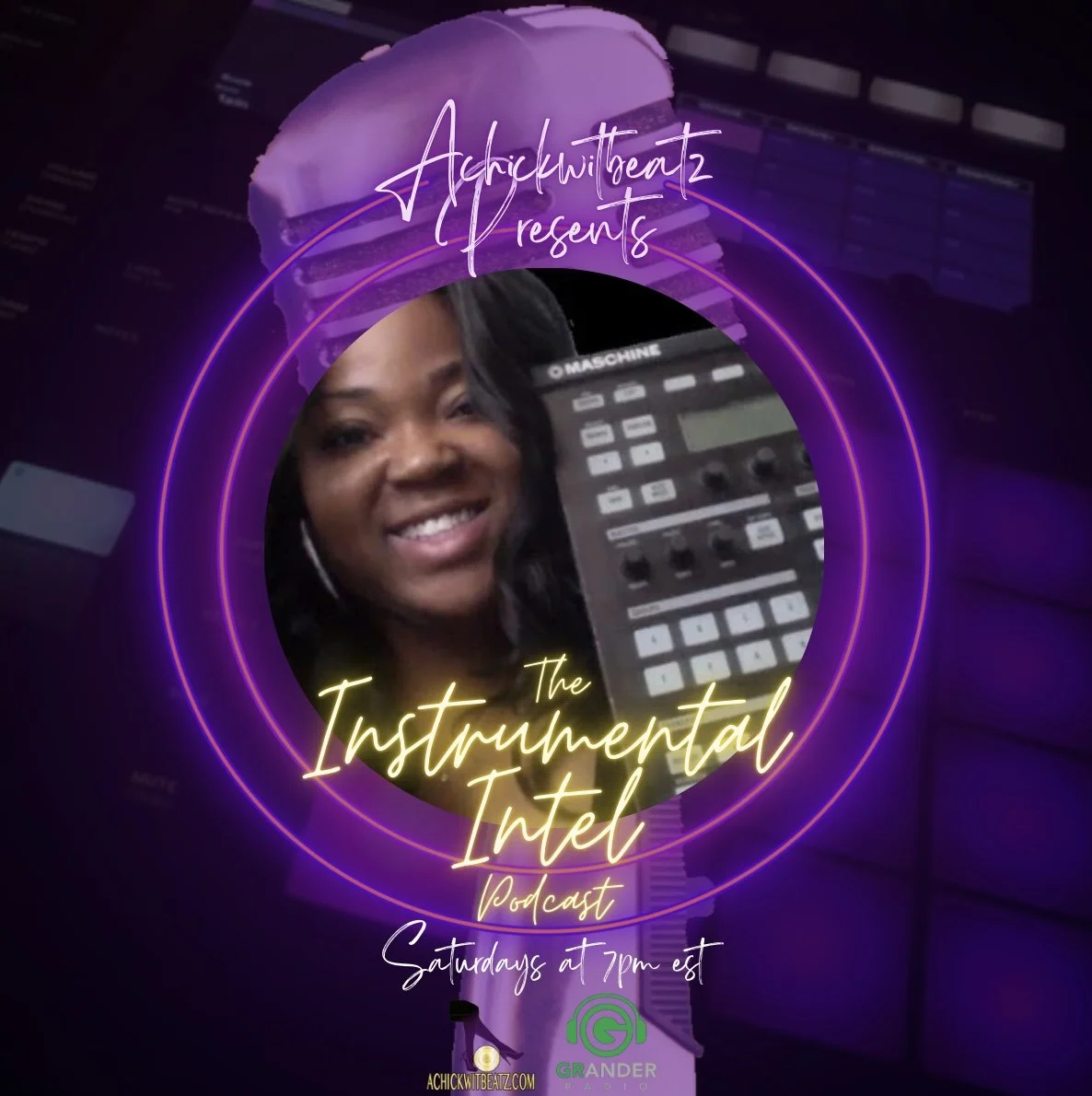
Achickwitbeatz presents the Instrumental Intel podcast, bringing you information instrumental to your artistic career including music industry news & tips, insights & interviews, and beats for your inspiration. Listen on Saturdays at 7 pm EST on Grander Radio and Achickwitbeatz.com.
Follow on Facebook, Instagram, Twitter, YouTube Audiomack & SoundCloud, and subscribe on your favorite podcast platform. Download the Grander Media app to listen to Grander Radio on the go.

- Art
- Independent Labels
- Internet Radio
- Music Documentaries
- Album Reviews
- Music History
- Music Industry News
- Free Game Friday
- Free Downloads
- Poetry
- Books
- Interviews
- Did You See It?!
- Hip Hop History
- Hear Here
- Music News
- Hip Hop Documentaries
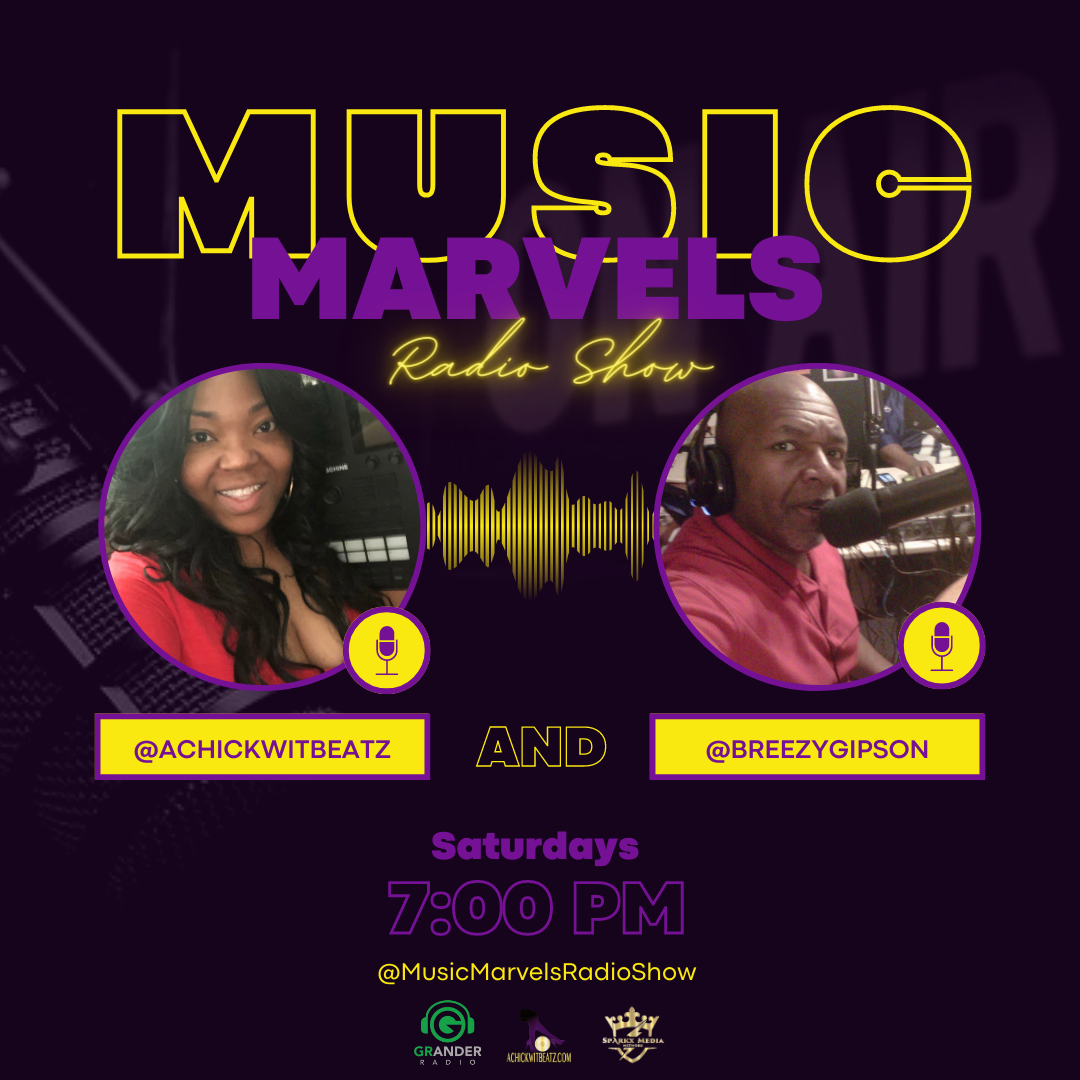
- Music Marvels Radio Show
- Think Piece Thursday
- Mini Documentaries
- Instrumental Intel
- Music Humor
- Indie Analysis
- Conversations & Quotables
- Music
- Resources for Artists
- Podcasts
- Beats/Instrumentals
- Music Education
00:01
Hey, thank you so much for tuning in to Instrumental Intel. I am your host, music producer, Achickwitbeatz. In today's episode, we're gonna be continuing the year-end creative strategy sessions. So this episode will focus on strengthening your audience strategy for 2026. And of course, there will be music industry news and beats by me for your inspiration. So I'm excited to be bringing this episode to you. And before I go ahead and drop that first beat, I wanna give a shout out to my home station, Grander Radio out of Grand Rapids, Michigan. And with that.
00:30
Let's go!
[BEAT BREAK]
10:08
Alright, I'm back with the Music Biz Brief. First up, YouTube has rolled out a new collaboration feature that lets up to five channels co-post the same video, and all views count towards each channel. For artists, this expands beyond music video snippets. You can now share a wider range of content and reach each collaborator's subscriber base more directly. You can add collaborators in YouTube Studio under the video's details tab, whether you're uploading something new or updating an older post.
10:34
So this gives artists and creative partners a simple way to boost visibility and tap into each other's audiences. Next, Bandcamp is expanding its popular Bandcamp Friday program in 2026, giving independent artists more revenue-boosting moments throughout the year. After contributing over $150 million to artists and labels since 2020, they're increasing next year's schedule to eight dates: February 6th, March 6th, May 1st, August 7th, September 4th, October 2nd,
11:02
November 6, and December 4. On these days, Bandcamp waives its revenue share, letting creators keep more from every purchase and giving fans extra chances to directly support the music. Also, Spotify rolled out its music video feature to premium users in the US and Canada, giving paying subscribers access to a limited catalog of official videos, live performances, and covers. The expansion follows new licensing deals with major labels and publishers, positioning Spotify to compete more directly with YouTube.
11:32
The company says pairing songs with visuals boosts engagement, noting that listeners who discover music through videos are more likely to return and share tracks. Now out of beta, the feature continues its broader push into video, following tools like Clips and its partnership with DistroKid for music video uploads. They're also testing a new AI-powered feature called Prompted Playlists, giving users more control over what the algorithm delivers. Rolling out first to premium subscribers in New Zealand, it lets listeners write detailed prompts.
12:01
Unlike previous AI playlists, this version pulls from the user's entire listening history and lets listeners choose how often the playlist refreshes. Spotify says it's designed to create personalized mixes that function like your own custom Discover Weekly or Daily Mix, which, if those just worked properly, it wouldn't be necessary. But it's built around whatever mood, genre, or era you specify. The feature's still in beta with plans to expand to more markets after testing.
12:27
Next, Universal Music Group is expanding its superfan-focused retail footprint with new UMusic Shop locations in New York and London. The stores offer exclusive merch, curated collections, and immersive fan experiences tied to Universal's artists and labels. The New York Shop at Penn Plaza opens with a holiday-themed rollout and limited edition collaborations, while the Camden store features installations, live performances, and spaces like a vinyl lounge and sound room.
12:55
So this expansion continues Universal's push into fan retail, which has contributed to rising merch and, quote-unquote, other revenue for the company. Also, a new ORCA Commission study shows how nine major indie labels collectively invested $134 million into 569 artists last year, averaging about $236,000 per artist or a third of their revenue.
13:18
Streaming made up nearly 60 % of their income, with physical sales and sync bringing in higher-than-industry-average shares. The report also highlights stronger gender equity among these labels compared to the wider music business. ORCA says the data highlights the economic weight of independent labels and their continued role in long-term artist development. right, beatBread says it's now deployed over $100 million across 1,700 artists and label funding deals since its launch in 2020.
13:46
The financing platform offers advances on both catalog and unreleased music and has supported creators in 42 countries with a cumulative of over 67 billion streams to date. beatBread recently launched a new $100 million fund aimed at labels and distributors looking for alternatives to traditional financing. The interim CEO says the company's mission remains to expand access to capital without forcing artists to give up control of their work.
14:13
And Epidemic Sound has filed a new copyright lawsuit against Meta, accusing Facebook, Instagram, and WhatsApp of continuing to use its music without permission. The complaint covers 1,000 additional works registered after Epidemic's first 2022 lawsuit and claims Meta's tools, including its Audio Library, Original Audio, and Reels remixes, lets users reuse unlicensed tracks across the platforms. Epidemic is seeking up to $150 million in statutory damages, plus an injunction and legal fees,
14:43
arguing that it has ignored prior warnings and refused to grant access to its full music rights management tools. finally, Republican U.S. Rep Scott Fitzgerald has asked the FTC to review two smaller U.S. performing rights organizations, AllTrack and Pro Music Rights, over questions about how they report their catalogs to potential licensees. Both PROs operate outside SongView, the database used by major U.S. PROs to track song ownership.
15:09
Fitzgerald alleges their communication could mislead businesses, though both organizations rightfully deny any wrongdoing and emphasize that their catalogs are properly registered. Pro Music Rights is pushing back in a new statement calling the congressman's letter politically motivated and factually inaccurate, and its CEO is considering legal action in response. PMR also hinted at possible antitrust claims against larger pros and industry groups, arguing that independent organizations are being squeezed out.
15:39
The FTC hasn't indicated whether it will take action or not. So I guess we'll have to stay tuned to see. Alright, that's a wrap for the music biz brief. I'm going to take a quick pause for the cause, and then I'll be back for week two of Year-End Creative Strategy Sessions, “Strengthening Your 2026 Audience Strategy,” right after this. Keep it locked! Hey, I'm Achickwitbeatz, multi-genre music producer and strategist to indie artists and labels. Visit achickwitbeatz.com for
16:06
resources for artists and instrumentals in various genres available for songs, vlogs, blogs, podcasts, themes, TV, film, commercials, and more. Once again, that's achickwitbeatz.com. That's A-C-H-I-C-K-W-I-T-B-E-A-T-Z.com. Let's make something happen.
[BEAT BREAK]
29:26
Hey, I'm Achickwitbeatz, multi-genre music producer and strategist to indie artists and labels. Visit achickwitbeatz.com for resources for artists and instrumentals in various genres available for songs, vlogs, blogs, podcasts, themes, TV, film, commercials, and more. Once again, that's achickwitbeatz.com. That's A-C-H-I-C-K-W-I-T-B-E-A-T-Z.com. Let's make something happen.
29:56
All right, today we're continuing the Year-End Creative Strategy Sessions, and this week we're focusing on Strengthening Your Audience Strategy for 2026. uh Basically, so that you'll enter the new year with a clearer understanding of who's engaging with your music and how you can reach them more effectively across platforms. So first off, audience strategy actually matters when you understand how listeners behave, you can make better decisions about marketing, content, release timing, all that good stuff.
30:25
This way, you're not chasing whatever is trending in the moment, but you're actually paying attention to real patterns in your own engagement, like who shows up, what they respond to, and what keeps them coming back. So when artists shift from guessing to analyzing, your decisions can become more targeted, more efficient, and you can actually sustain them. But before you build a strategy for 2026, it always helps to kind of take an inventory of what happened in 2025. So take a look at your top-performing content, ask what made it resonate with people.
30:53
Review your streaming patterns, which songs kind of kept traction going? Did listeners actually finish the tracks? And did you have people coming back to it? On social platforms, you can identify whether your engagement shifted. Like, did certain formats lead to more interactions? For artists that are using email lists, you can pay attention to open rates, if people are actually clicking the links that are within the emails, and whether certain messages consistently drove an actual response.
31:21
Another thing you could use is if you perform live or sold merch, you can kind of think about what those interactions revealed about your most engaged supporters. So as you kind of look back on some of these touch points, you want to keep a few reflection questions front and center: Who engages with your music most consistently? What platforms actually grew for you? And what kind of messaging led to meaningful interaction? These questions can help you clarify what worked instead of just relying on assumptions.
31:47
Next, you want to define your audience goals for 2026. Make sure that you keep them realistic and tied to behavior that you can actually measure. So you might focus on fan-based growth, listener retention, or diversifying the platforms where your audience discovers you. Or you might want to invest more intentionally in community building so that listeners feel personally connected to your work. Make sure that you're defining goals that you can observe, track, and adjust throughout the year.
32:15
So once those goals are clear, start choosing your priority platforms for 2026. Pick one or two that will get most of your focus. Evaluate where your fans already show up, which platforms align with the kind of content that you already create for your music, and what platforms give you the best path for long-term discovery or conversion. You don't have to be everywhere all at once, but make sure that you're consistent where it matters most. After that, you wanna build simple audience-nurturing systems, so these don't have to be elaborate.
32:44
A weekly or bi-weekly content rhythm can kinda help you stay consistent. Monthly touchpoints, like a more personal update or deeper piece of storytelling, can keep your core fans engaged. Take a look at the themes that help reinforce your identity as an artist and build them into your routine. If it helps, you can use scheduling tools like Buffer or Later, or simple trackers so you can see how your audience grows over time. In order to build a strong audience strategy, you need to rely on using data in a way that feels
33:13
approachable for you. So instead of trying to monitor everything, focus on the insights that actually matter, like save rate, skip rate, returning listeners, watch time, and if you use email again, your open and click-through rates. So these numbers help you understand what's connecting and what might need to be adjusted. The key is responding to audience behavior instead of relying on your own assumptions. So in order to actually put this all into action, the step for this week
33:40
The move for this week is to create a one-page 2026 audience strategy. Outline who you're targeting, where you plan to reach them, how you'll nurture these relationships, and how you'll measure progress. So this page will be a roadmap as you move throughout the year. Alright, that wraps up this week's focus for building a stronger, more intentional audience strategy for 2026. And next time, we'll dig a little deeper into broader planning with optimizing your marketing and release strategy.
34:08
Alright, gonna get back to the beats and I'll be back to close out the episode. Keep it locked.
[BEAT BREAK]
46:27
Hey, this is music producer Achickwitbeatz, and you're listening to my podcast Instrumental Intel.
59:36
Alright, and that's a wrap for this episode of Instrumental Intel. I've been your host, music producer, Achickwitbeatz. And once again, I want to thank you for tuning in. I want to thank my home station, Grander Radio out of Grand Rapids, Michigan. Make sure you come back next week. I've got more goodness lined up for you as we continue with the year-end creator strategy session. Until next time, you know where to find me. Tune in, tell a friend, and I'll see you then. Peace.


![Hear Here: Achickwitbeatz - Dopamine & Serotonin [Single]](https://images.squarespace-cdn.com/content/v1/52b0b90ae4b0293bfed0d692/1710852808557-EZYGFDIBHLBSIRFOVS1Q/Dopamine+%26+Serotonin.JPG)






![Hear Here: Dagga Man- "Analytics" [Prod. by Achickwitbeatz]](https://images.squarespace-cdn.com/content/v1/52b0b90ae4b0293bfed0d692/1584638158548-9R55AZLWZIDFJC8LATV6/IMG_2212.JPG)







![Making Music on a Budget [Infographic]](https://images.squarespace-cdn.com/content/v1/52b0b90ae4b0293bfed0d692/1582844361438-3JTE5NT3EL51FHXC0WJI/making-music-on_1929722%25281%2529.jpg)

A homage to the golden era of 1990s instrumental beat vinyl. Crafted as the perfect partner for freestyling MCs, dancers, and DJ culture. | Visit Achickwitbeatz.com for your instrumental needs & dope stuff for music lovers.