
Guest post from Emma Grace Brown

Photo by Jesus Hilario H. on Unsplash
For freelance designers, illustrators, photographers, writers, and other creative professionals, the toughest part of the work often isn’t the craft, it’s making a sustainable creative business from it. The core tension is real: strong talent and a full portfolio don’t automatically translate into steady income, and turning talent into business can feel like a different discipline entirely. Creative entrepreneurship tends to stumble on the unglamorous, hidden business challenges for artists, clarity, consistency, and choices that protect time and energy. With the right foundation, creative work can be earned with confidence.
Understanding Strategy That Protects Your Creativity
A thriving creative business starts with decisions that remove guesswork. You define who you serve, name the real outcome you create, and choose a clear position in the market so people know why you are the right fit. The point is focus, not limitation, because focus gives your talent a reliable path to income.
This matters because even great work struggles when it is offered to everyone. 6 out of 10 ideas fail when teams build something nobody truly wants, and creatives can fall into the same trap with vague services. Clarity makes your offers easier to price, describe, and repeat without burning out.
Imagine a photographer who stops selling “photo shoots” and starts serving new businesses that need fast, consistent product images. They use behavioral and psychographic segmentation to understand buying triggers, then package a monthly content system. The art stays expressive, but the offer becomes simple to say yes to. With this foundation, business education turns into practical marketing, money skills, and planning you can actually use.
Build Business Muscle With Structured Learning in Marketing and Finance
Once you’re clear on the strategy that protects your creativity, the next step is building the business skills that keep your work sustainable. A business degree can give creative professionals practical tools in marketing, finance, operations, and entrepreneurship, skills that help you move from “great at what I do” to “paid well for what I do.” Marketing fundamentals can help you communicate your value and reach the right people, while financial literacy supports smarter pricing, budgeting, and profitability. Operational know-how helps you deliver consistently, and entrepreneurship training can strengthen your ability to plan and grow without losing the heart of your craft.
If school feels out of reach, an online degree can make it more realistic: you can advance your education while still balancing work, family, and everything else you’re carrying, so you’re building new capabilities without putting your life on hold. If you want to compare options and see what that path might look like, the key facts are here. With those foundations in place, you’ll be ready to turn your talent into clear offers and start finding clients in a repeatable way.
Use This 5-Part Plan to Package Offers and Find Clients
A thriving creative business isn’t built on inspiration alone, it’s built on repeatable choices. Use this five-part plan to turn your talent into clear service offerings, strengthen your branding, and create simple client routines that keep your calendar from swinging between “too quiet” and “too much.”
Turn one skill into three service offerings:
Start your product development for creatives by listing your core skill, your ideal client, and the business outcome you help create. Package three tiers: a quick “starter” (1–2 hours), a “core” offer (your most common request), and a “premium” offer (strategy + execution). This helps clients self-select and gives you a built-in ladder for upsells without feeling pushy.
Write a one-sentence promise and use it everywhere:
Branding for creative businesses gets easier when you stop trying to say everything. Draft a simple line: “I help [specific client] achieve [specific result] through [your service].” Put it on your website header, proposals, portfolio captions, and even your email signature so your message stays consistent when people share your work.
Choose two client acquisition strategies, and schedule them:
Pick one relationship-based channel and one visibility-based channel so you’re not dependent on a single pipeline. Relationship-based can be referrals, past clients, and peers; visibility-based can be a weekly post showing your process or a monthly mini-case study. Research listing word-of-mouth marketing as ranked first is a reminder to intentionally earn and ask for referrals rather than waiting for them.
Build a tiny funnel: sample → consult → proposal:
Make one “proof piece” that demonstrates your value in under two minutes: a before/after, a short walkthrough, or a one-page breakdown of how you solved a problem. Use it to invite a 15–20 minute consultation with three questions you ask every time, then send a one-page proposal within 48 hours. This structure turns marketing fundamentals into a repeatable process instead of a mood.
Run simple customer relationship management every Friday:
Keep one list with five columns: Leads, Active, Waiting, Past Clients, Referral Partners. Every Friday, spend 30 minutes moving names, noting the next action, and sending three short check-ins (one lead, one past client, one partner). Pair this with basic finance habits, track hours and income by offer, so you can see which services are most profitable and which ones quietly drain your week.
Creative Business Questions, Answered
Q: How do I balance making art with running the business side?
A: Treat business as a creative constraint, not a punishment. Block two short “CEO sessions” each week for planning, outreach, and finances, then protect your maker time like a client deadline. It helps to remember that 80% of effective problem solving happens before execution, so a little strategy prevents a lot of scrambling.
Q: What if I’m not consistent enough for marketing?
A: Consistency is a system, not a personality trait. Pick one small, repeatable action you can do even on low-energy weeks, like sharing a single work-in-progress photo with one sentence about the decision you made.
Q: How should I price my creative work without undercharging?
A: Price the outcome and the process, not just the hours. Start with a baseline that covers your costs and time, then add complexity, revision limits, and usage rights if relevant. Offer clear tiers so clients can choose without negotiating you down.
Q: Can I sell without feeling like I’m “selling out”?
A: Yes, if you lead with clarity and consent. Learning the basics of copywriting helps you describe your value in a way that attracts the right clients and repels the wrong ones.
Q: What legal basics should I handle first?
A: Use a simple contract that covers scope, timeline, payment schedule, revision limits, and who owns what. Keep invoices and permissions in one folder, and separate business and personal finances as soon as you can.
Turn Creative Talent Into Sustainable, Long-Term Business Success
The hardest part of building a creative career is living in the tension between making meaningful work and making it pay. Long-term business success comes from blending creativity and strategy so your art stays alive while your decisions stay clear. When that mindset guides your choices, sustainable growth for creatives stops feeling like luck and starts feeling like a direction you can repeat. Your creativity deserves structure that protects it and helps it earn. Choose one small piece of creative business planning this week, review a price, tighten a boundary, or map the next offer, and finish it. That steady commitment builds resilience, stability, and the freedom to keep creating on purpose.

A homage to the golden era of 1990s instrumental beat vinyl. Crafted as the perfect partner for freestyling MCs, dancers, and DJ culture. | Visit Achickwitbeatz.com for your instrumental needs & dope stuff for music lovers.

From Nylon Trax: Achickwitbeatz returns with “Joke’s On You” — a deep and compelling release that blends raw honesty with hypnotic grooves. Inspired by the idea of denial and pride masking true desire, the track delivers both a message and a mood: you can’t hide from the truth when the rhythm exposes it.
The release features the pulsing Original Mix, a bold statement of Achickwitbeatz’s sonic identity, and a masterfully layered Jaymz Nylon Afro Tech ReShape, which lifts the track into a transcendent dancefloor experience. Together, these cuts remind us that music, like honesty, has the power to cut through façades and reveal what’s real.
Pressed on 12” vinyl and available digitally, “Joke’s On You” is a modern underground essential that refuses to pull its punches. | Visit Achickwitbeatz.com for your instrumental needs & dope stuff for music lovers.

AuditoryYum. A collection of sonically delicious instrumentals to feed your ears. Available on (most) major platforms. | Visit Achickwitbeatz.com for your instrumental needs & dope stuff for music lovers.

A story of love and frustration, and the sometimes humorous reality of wanting to turn love into something easier to handle—like anger—but not quite being able to. It's an anthem for anyone who’s ever found themselves in a complicated relationship that’s cyclically infuriating and irresistible.
Produced, written, and performed by Achickwitbeatz, available on all major platforms. | Visit Achickwitbeatz.com for your instrumental needs & dope stuff for music lovers.

From Nylon Trax: “The talented singer, writer, and producer Achickwitbeatz delights us with another epic house music release, 'Right Now.' Featuring cleverly written and uplifting vocals, 'Right Now' is an infectious track inspired by the challenges of everyday life. It serves as a powerful reminder to persevere, believe in ourselves, and trust our intuition, knowing that we have the tools to manifest a brighter future.
Adding to the magic, Jaymz Nylon lends his dynamic touch with a mesmerizing Afrotech ReShape remix, enhancing the brilliance of the original.
Achickwitbeatz's 'Right Now' is a masterful release, endlessly playable and imbued with heartfelt emotion, destined to leave a lasting impression.”
Written, Produced and Vocals by Achickwitbeatz
Additional Remix Production by Jaymz Nylon
Mastered by James Thomas @ The Cottage
Executive producer: Jaymz Nylon
Published by Man Made Nylon Music / BMG Chrysalis
(p) & (c) 2024 Nylon Recordings/Nylon Trax
Genre: Vocal House, Soulful House, Deep House, Afrotech | Visit Achickwitbeatz.com for your instrumental needs & dope stuff for music lovers.

Another chapter in the Dopamine & Serotonin saga has arrived. Produced, written, and performed by Achickwitbeatz, “See Me” is a song that invites you to dive into a sensual escape, transcending the superficiality of a selfish and cold world to uncover a depth of intimacy and genuine connection. Available on all major platforms. | Visit Achickwitbeatz.com for your instrumental needs & dope stuff for music lovers.
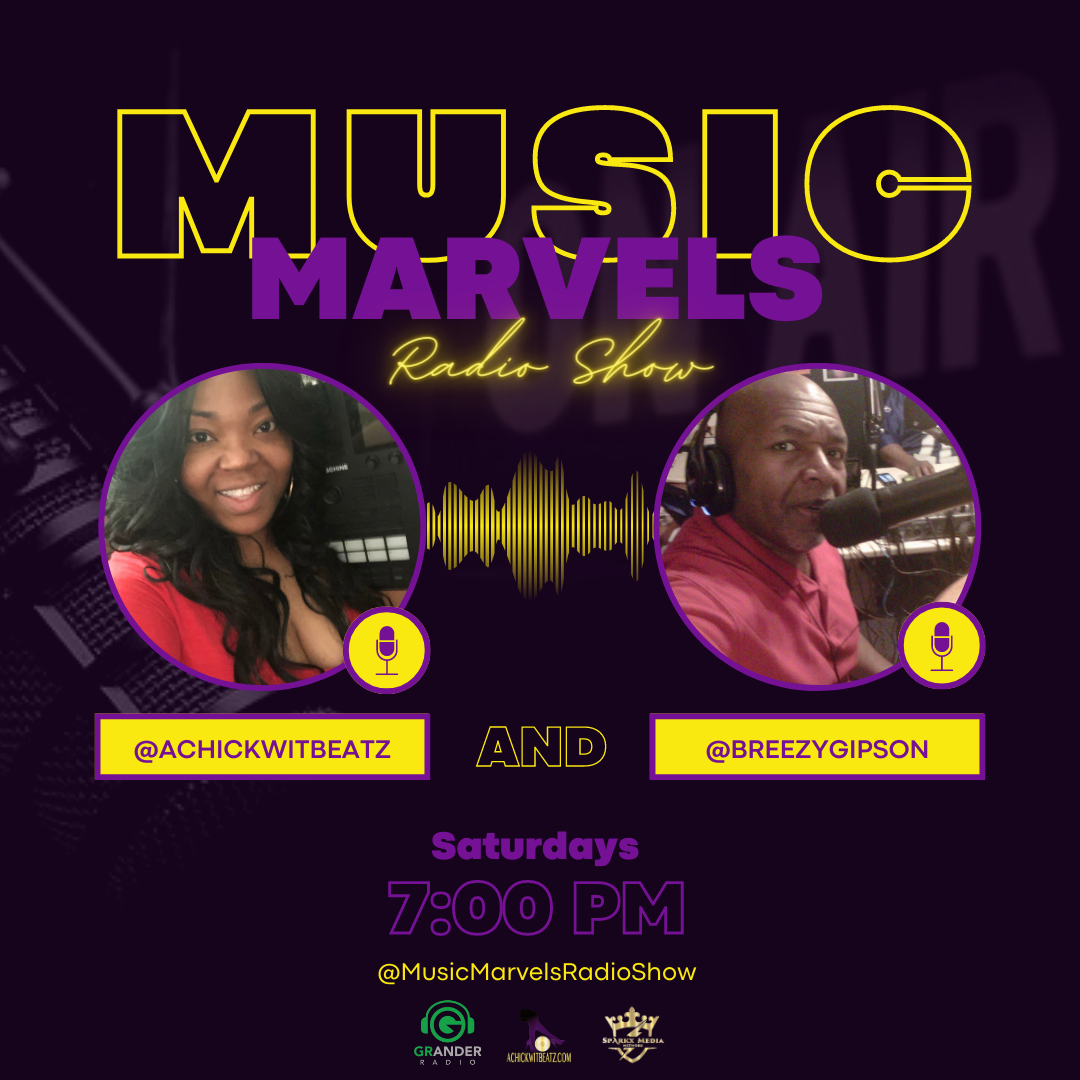
Music Marvels with Achickwitbeatz & Breezy Gipson Radio Show aired from May 2016 through April 2024 on multiple platforms including KBC Network, Grander Radio, and KSPX Sparks Radio Network. For new podcast episodes featuring instrumentals, artist insights, interviews & conversations, and music industry news & tips, listen to The Instrumental Intel Podcast with Achickwitbeatz on Saturdays at 7:00 pm ET. | Visit Achickwitbeatz.com for your instrumental needs & dope stuff for music lovers.
![Hear Here: Achickwitbeatz - Dopamine & Serotonin [Single]](https://images.squarespace-cdn.com/content/v1/52b0b90ae4b0293bfed0d692/1710852808557-EZYGFDIBHLBSIRFOVS1Q/Dopamine+%26+Serotonin.JPG)
A collection of gritty, yet soulful instrumentals produced by Achickwitbeatz, available on all major platforms. | Visit Achickwitbeatz.com for your instrumental needs & dope stuff for music lovers.

A collection of gritty, yet soulful instrumentals produced by Achickwitbeatz, available on all major platforms. | Visit Achickwitbeatz.com for your instrumental needs & dope stuff for music lovers.

Catch Music Industry News With Achickwitbeatz on Music Marvels Radio Show Saturdays at 7pm ET on Grander Radio & Achickwitbeatz.com and on A Show With ABrothaNamedSherm Tuesdays at 2pm ET & 8pm ET on Dream Access TV.

Hip Hop instrumental produced by Achickwitbeatz. | Visit Achickwitbeatz.com for your instrumental needs & dope stuff for music lovers.

Hip Hop instrumental produced by Achickwitbeatz. | Visit Achickwitbeatz.com for your instrumental needs & dope stuff for music lovers.

Hip Hop instrumental produced by Achickwitbeatz. | Visit Achickwitbeatz.com for your instrumental needs & dope stuff for music lovers.
A collection of Futuristic Hip Hop Soul instrumentals produced by Achickwitbeatz, available on all major platforms. | Visit Achickwitbeatz.com for your instrumental needs & dope stuff for music lovers.

Networking is undoubtedly crucial for music artists to build a thriving career. With so many music events being postponed, it will take some maneuvering to compensate for what would normally occur face to face. Here are four easy ways to strengthen connections and expand your network from a safe space. | Visit Achickwitbeatz.com for your instrumental needs & dope stuff for music lovers.

If these unusual times we're experiencing have had an impact on your creativity, here are some tips to help you return to your creative flow. | Visit Achickwitbeatz.com for your instrumental needs & dope stuff for music lovers.

Hip Hop instrumental produced by Achickwitbeatz. | Visit Achickwitbeatz.com for your instrumental needs & dope stuff for music lovers.

There's an abundance of social media platforms for independent artists to utilize. It takes a great deal of energy to create & promote music in addition to day-to-day responsibilities. This makes it understandable why so many artists tend to stick to just one or two of their favorite sites. Though social media is a great way to communicate with fans, it's not always a reliable medium. Adjustments to algorithms, account restrictions, bans, site crashes and breaches can occur at anytime, making it important to have multiple ways to be able to communicate with your supporters. | Visit Achickwitbeatz.com for your instrumental needs & dope stuff for music lovers.
![Hear Here: Dagga Man- "Analytics" [Prod. by Achickwitbeatz]](https://images.squarespace-cdn.com/content/v1/52b0b90ae4b0293bfed0d692/1584638158548-9R55AZLWZIDFJC8LATV6/IMG_2212.JPG)
Hear the upcoming summer single from Dagga Man. Be on the lookout for the upcoming mixtape from the L.O.-H.e.M. | Visit Achickwitbeatz.com for your instrumental needs & dope stuff for music lovers.

I wrote an article about the 7 Types of Social Media Music Promoters that was published on Praverb.net. I decided to create an infographic to provide a visual for the information at a glance. | Visit Achickwitbeatz.com for your instrumental needs & dope stuff for music lovers.

Music Artists can have creative slumps from time to time. It can be frustrating when ideas don't flow as freely as we'd like. Here are some tips to help get you back into your groove. | Visit Achickwitbeatz.com for your instrumental needs & dope stuff for music lovers.

Visit Achickwitbeatz.com for your instrumental needs & dope stuff for music lovers.

Visit Achickwitbeatz.com for your instrumental needs & dope stuff for music lovers.

There can be beauty in simplicity. Each beat made fresh in less than 10 minutes a piece. Unique, simple & tasty like a fresh batch of hot drop biscuits. Free download, grab 'em while they last.

Listen/download the new instrumental album for poets produced by Achickwitbeatz.

I was recently blessed to chat with the ill lyricist and world renowned & prolific emcee and all around amazing artist Mahogany Jones. Peep the Q&A to gain insight & soak in her wisdom regarding the artistry of Hip Hop.
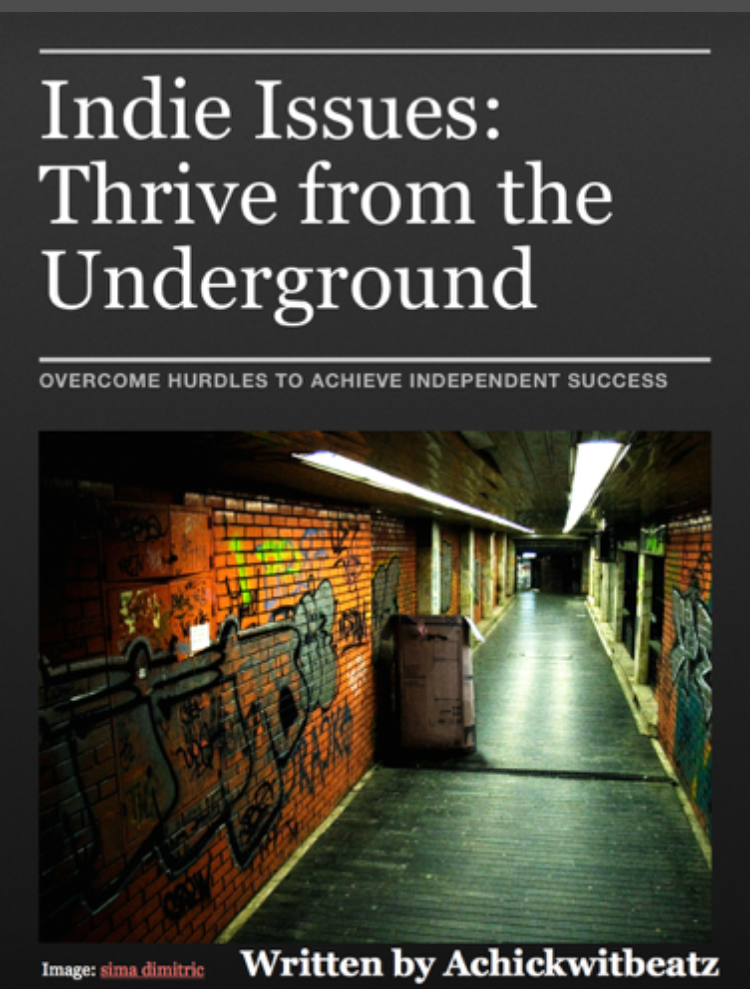
Download the free eBook from Achickwitbeatz filled with information for independent artists to use to reach their artistic career goals for 2017 and beyond.

Peep/listen/download episodes 1 & 2 and stay tuned for more! Achickwitbeatz Presents: Indie Label Sessions
#IndieIsWhereItsAt 😉 | Visit Achickwitbeatz.com for your instrumental needs & dope stuff for music lovers.
I created the Rhythm Related Recollections series for music lovers to reminisce on some of their favorite, not so favorite as well as even comical musical moments from 10 or more years ago. The good, the bad and the ugly. Everything plays its part in the tapestry of our appreciation for this beautiful art. Looking for a particular album or artist? Just use the search below. Know something that should be included? Use the comment section below. Also, please feel free to drop a comment to share your memories & thoughts about any given recollection!

For independent artists, combining social media marketing, inbound marketing, and SEO amplifies your music's reach. Social media fosters engagement and boosts SEO, inbound marketing draws fans with valuable content, and SEO ensures discoverability. Together, they drive growth and build lasting connections beyond the platforms.
Tips and information to help you achieve your artistic goals. | Visit Achickwitbeatz.com for you instrumental needs, resources for artists & dope stuff for music lovers.
Free Game Friday offers brief synopses of topics that independent artists need to know for success in the music industry. | Visit Achickwitbeatz.com for your instrumental needs & dope stuff for music lovers.

Artists who have taken the reins of their music careers can obtain valuable insight to achieve the success they desire. Knowing how often your music is played, how many people are listening and where your fans are located can help you determine where to focus your efforts. If you haven’t already, sign up for both to secure access to your artist account and learn more about how your music is performing across platforms. | Visit Achickwitbeatz.com for your instrumental needs & dope stuff for music lovers.

The International Federation of the Phonographic Industry (IFPI) has released the 2018 Music Consumer Insight Report. The data within this report provides global trends to help artists understand how people utilize music within their daily routines. Find out how this information may be helpful to your music career.| Visit Achickwitbeatz.com for your instrumental needs & dope stuff for music lovers.

There are multiple online publications that frequently release articles full of relevant information for artists looking to keep up with current events in the music industry. Many of these outlets use jargon that is common to mainstream heavy-hitters, but often tends make independent artists who don't have the time to research terms feel excluded. As a producer, I've been asked about many of these from time to time, so I compiled a glossary with concise definitions to help you navigate through any article to determine how you can apply the information to your artistic career. If there's another term not listed here that you've seen or heard frequently, but need it clarified, please feel free to mention it in the comments and I'll be happy to include it.

Many of the popular music blog sites that Hip Hop, R&B, House Heads & other genre lovers gravitate to are owned by/affiliated with just a handful of companies. While monetization of your hard work is generally a goal of many in the music industry, the question is how much of the content is influenced/sacrificed for the sake of those who fund the effort?

It happens sometimes. People you thought were down for the trials and tribulations on your path to success disappear, but when things are looking better they don't make the return you thought they would. It's NOT your problem and here's why.

This topic causes a bit of confusion among some artists on occasion, so I created an infographic to make it easier to see the differences at a glance. | Visit Achickwitbeatz.com for your instrumental needs & dope stuff for music lovers.

Social media can be a bit overwhelming at times and it can be hard to keep up with considering you've got everyday life demanding your attention. Not to mention the time it takes for you to make and market your music to pursue your dreams. It's easy to gravitate to your favorite social media platform and let the others fall by the wayside until it's time to promote that new project or new show coming up. Needless to say, it's a bit hard to get some traction on those tweets if you've been neglecting your audience until you need them. Here are some tips to stay moderately engaged and make the most you can from minimal use of the platform.
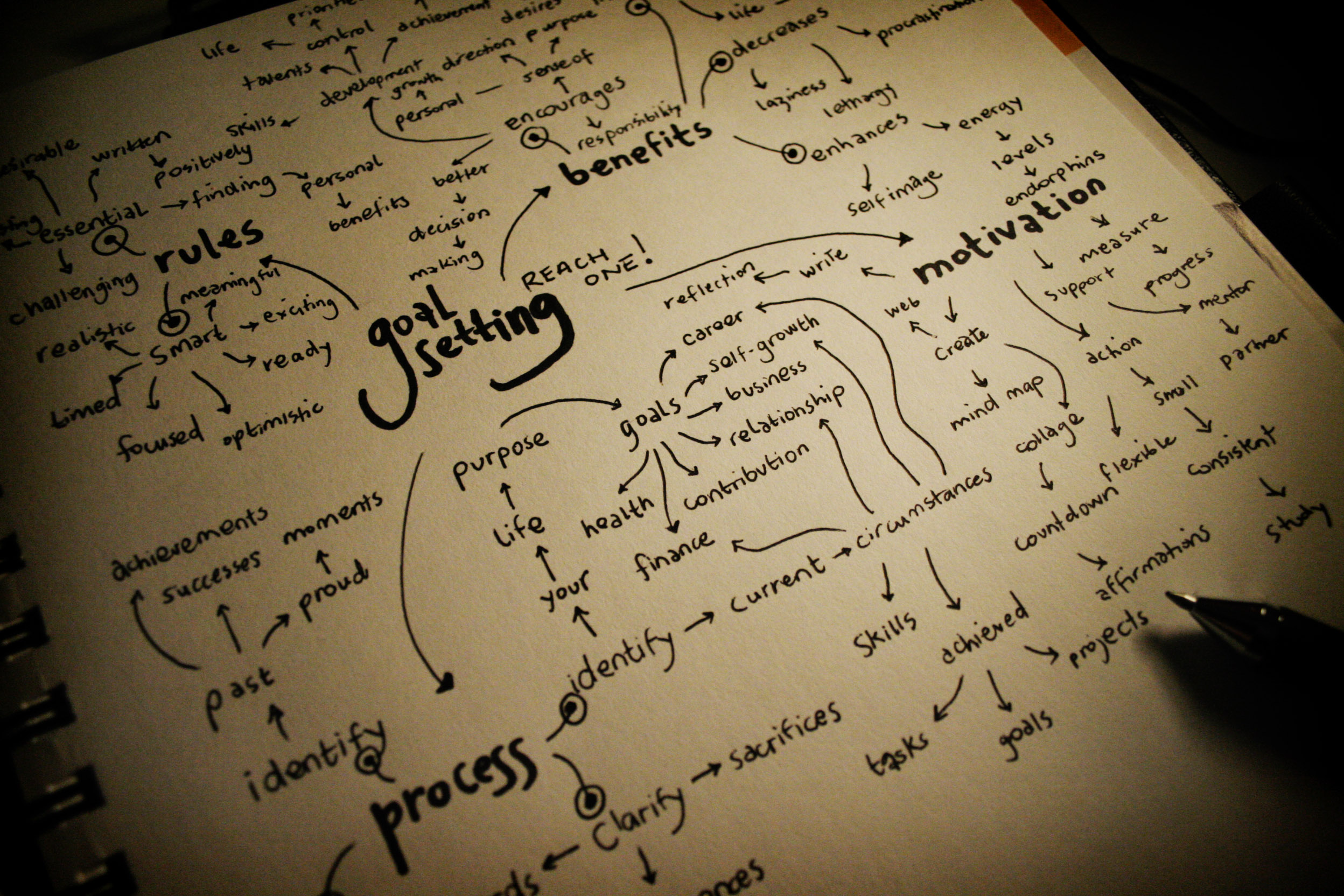
Now is the time that many businesses and organizations begin focusing on their strategic plan for the upcoming year. If you're an artist, producer, engineer, etc. without a major machine behind you, you should consider yourself as a business. While it’s important to plan and adjust throughout the year, December tends to be popular as it’s a great time to reflect on how things went and what you wish to accomplish heading into the next year.
New Year's resolutions are great for expressing your intentions, however they may not come into fruition without a solidified plan that details how you will achieve your goals. Take it to the next level and develop your strategic plan to help you accomplish your artistic goals for the new year and propel your career forward at a high velocity.
This was my fifth post for my dearly departed friend & colleague Praverb.
Collaboration is an awesome tool when executed effectively. The benefits to the parties involved can make a huge impact on their individual careers but occasionally, they can go wrong. Sometimes things just happen that can throw off planning, other times people just happen.
When “people” happen, it is not due to anomalies but rather reoccurring habitual actions that lead to expectations not being met. Some of these characteristics can leave a bad taste in the mouths of collaborating artists, producers and promoters, potentially causing social backlash.
If you recognize these traits in anyone you have worked with, are working with or desire to work with you can make adjustments accordingly to spare yourself some headache. If you recognize any of these traits in yourself, reflect on it and take the opportunity to become a person people love to collaborate with.
![Making Music on a Budget [Infographic]](https://images.squarespace-cdn.com/content/v1/52b0b90ae4b0293bfed0d692/1582844361438-3JTE5NT3EL51FHXC0WJI/making-music-on_1929722%25281%2529.jpg)
Here are some simple tips to make the process of budgeting for your project a less daunting task and easily attainable. | Visit Achickwitbeatz.com for your instrumental needs & dope stuff for music lovers.
It happens to many artists and quite frequently those that are tremendously talented. Being an artist requires a certain amount of sensitivity. You see the world differently and you draw from your own personal experiences and emotions to compose something that your fans will enjoy. You are pouring yourself into your music and the thought of someone not appreciating that can be a bit frightening and at times cause creative paralysis. Here are four things to keep in mind to allow you to create freely.
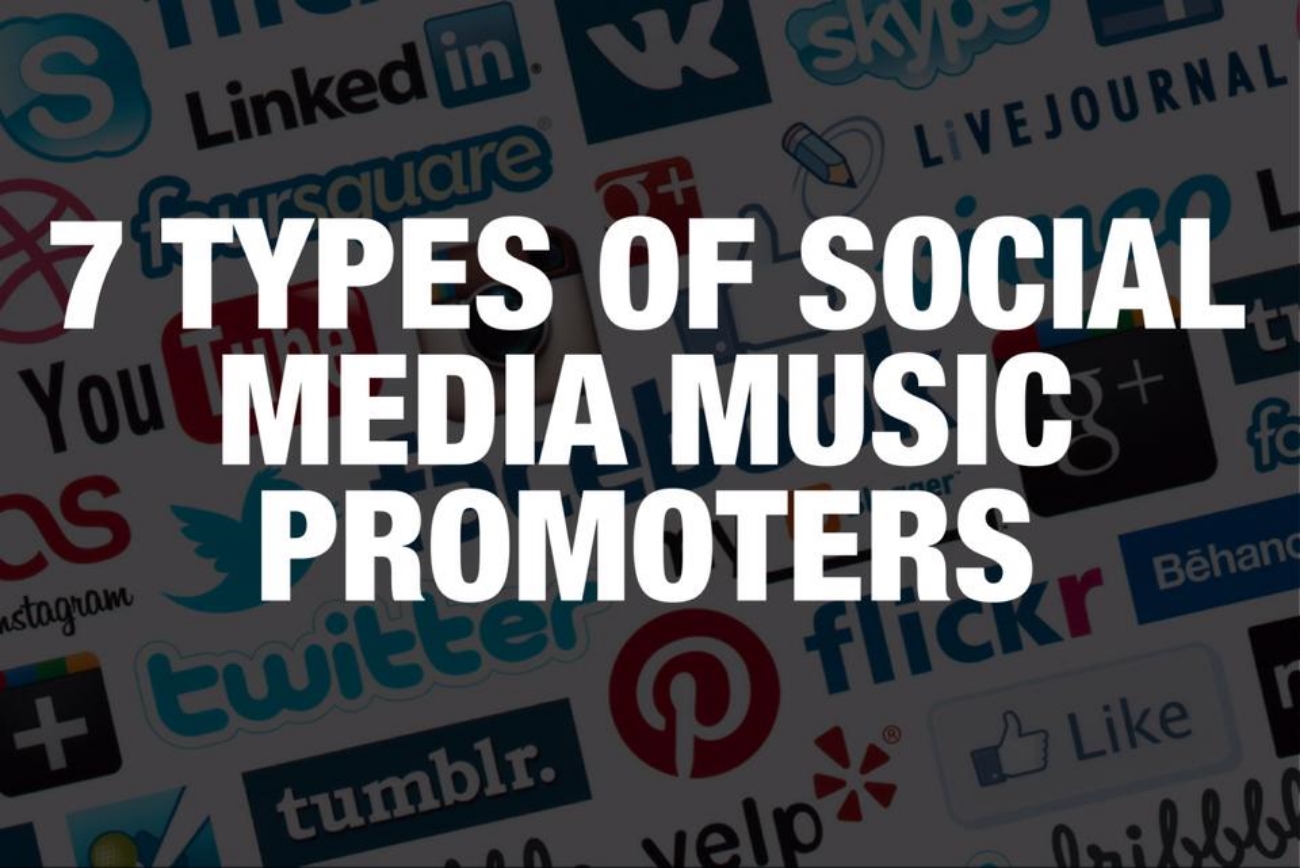
This was my third post for my dearly departed friend & colleague Praverb. He was a HUGE assistance to this post and I will forever be grateful for his guidance, help and the ability to broadcast my ideas and thoughts on his platform.
Social media has become a megaphone for the masses. As music artists and producers we recognize the value that it holds for getting our talent to the ears of people who will enjoy it.
Chances are, you’re connected with others in the industry and have witnessed the various tactics employed to get people to listen.
Some strategies work well for some people, while others...not so much.
Every artist is unique and has a unique fan base, therefore a variety of strategies tailored to your personality and those you are trying to reach is important.
No matter what your style is, make it work for you. Here, I will point out 7 types of social media music promoters.
I worked on a list that I thought would be helpful for independent artists. There's a lot of focus on only a few outlets but there are many to choose from. This list was originally published on Praverb.net, many thanks to Praverb for the assistance and support.

This was my first post for Praverb.net, inspired some of the frustrations I've observed artists contend with. There is a difference between a fan (someone who enjoys your music) and a supporter (someone who contributes their time and or money to enable you to continue in your craft). Here are some simple tips to convert your fans into supporters.
Via Nylon Trax: Achickwitbeatz returns to Nylon Trax with “Show Me.” The Kalamazoo, Michigan producer, songwriter, and vocalist has always had a way of bringing her own musical language to house music — soulful without being predictable, electronic without losing its humanity, and always grounded in groove. | Visit Achickwitbeatz.com for your instrumental needs & dope stuff for music lovers.